





Are Drone Batteries Interchangeable
Time: 2025-09-23 10:11:19
Among drone users, a common query arises: Can batteries from different brands and models be used interchangeably?
This article systematically addresses this question by examining battery types and specifications, analysing key factors affecting compatibility, revealing the risks of mixing batteries, and offering professional purchasing and usage advice to help you make safe and efficient choices.
Fundamentals of Drone Batteries
Common Battery Types
The following are the primary types of drone batteries currently available on the market:
Lithium Polymer Battery(LiPo): The most prevalent drone battery type, offering high energy density, lightweight construction, and high discharge rates. Suitable for drones requiring high power output.
Lithium-ion Batteries (Li-ion): Commonly found in consumer-grade aerial photography drones, offering high safety and long cycle life, though with slightly lower energy density than LiPo batteries.
Lithium Iron Phosphate Batteries (LiFePO4): The safest option with excellent high-temperature tolerance, but featuring lower energy density and greater weight, making them less common in small drones.

Key Battery Parameters
Understanding battery parameters is fundamental to assessing compatibility:
Voltage (V): Typically denoted as ‘number of cells in series S’, e.g., 3S (11.1V), 4S (14.8V). Drones must use voltage ratings matching their design specifications.
Capacity (mAh): Indicates the amount of electrical energy stored, directly affecting flight duration. Higher capacity extends flight time but increases weight accordingly.
Discharge Rate (C-rate): Indicates the maximum current multiple the battery can safely deliver. High C-rate batteries suit high-speed flight and rapid acceleration scenarios.
Connector Type: The interface specification connecting the battery to the drone. Different drone brands and models may employ varying standards.
These parameters collectively determine whether a battery is suitable for a specific drone. Mismatch in any single parameter may result in compatibility issues.
Are Drone Batteries Interchangeable?
Compatibility Between Different Brands
It is generally inadvisable to interchange batteries between different drone brands. Each manufacturer designs their drones to precisely match their proprietary batteries, encompassing voltage curves, protection mechanisms, and communication protocols.
Even if voltages and interfaces appear identical, internal chips and firmware may differ, potentially preventing proper communication or triggering protection mechanisms.
Compatibility Between Different Models of the Same Brand
Compatibility is generally higher between batteries of the same brand but different models, though caution remains advisable.
Some premium brands employ intelligent battery systems with built-in identification chips, recognising only certified batteries.
Even if physically compatible, discharge characteristics may differ between models, potentially affecting flight performance or triggering safety protections when mixed.
Differences in Dimensions and Housing Design
Drone battery compartments vary significantly in design, and differences in battery dimensions and shape directly impact installation:
- Oversized batteries may not fit within the compartment
- Undersized batteries risk inadequate securing, potentially loosening during flight
- Weight mismatches can alter the drone's centre of gravity, causing flight instability

Risks of Mixed Use
Forcibly using incompatible batteries may result in:
- Battery swelling, overheating, or even explosion
- Drone failure to start or frequent power cuts
- Flight control system errors, compromising flight safety
Key Factors Determining Battery Compatibility
Voltage and Capacity Matching
The voltage must precisely match the drone's design specifications. Using a lower-voltage battery will result in insufficient power, while a higher-voltage battery may burn out electronic components.
Capacity may be adjusted within compatible limits, but note:
Increased capacity extends flight time but adds weight
Excessive capacity may exceed the drone's load-bearing design
Insufficient capacity may fail to meet flight requirements
Common drone battery connectors include:
XT60: Frequently used in RC models and DIY drones
XT30: Employed in small drones and FPV racing drones
JST: Commonly found in micro drones
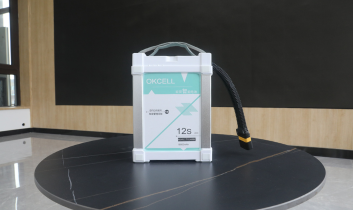
Proprietary connectors: Such as OKCELL's smart battery interface
If connectors are incompatible, the battery cannot be used directly even if other parameters match. Modifying connectors poses safety risks and is not recommended for general users.
Physical Dimensions and Weight
Battery compartment designs are fixed; excessively large or small batteries present issues:
Inability to install or secure properly
Centre of gravity shift affecting flight stability
Exceeding the drone's maximum take-off weight limit
Intelligent Batteries vs Standard Batteries
Intelligent batteries incorporate a Battery Management System (BMS) that communicates with the drone, providing precise information on charge level, temperature, and health status.
Standard batteries offer basic functionality, providing only fundamental charging and discharging capabilities.
Mixed use of these battery types is generally inadvisable, as the drone may fail to recognise standard batteries or be unable to access the management data from smart batteries.

Risks of Using Incompatible Batteries
Flight Safety Risks
Sudden power loss or insufficient power causing crashes
Flight control system malfunctions leading to loss of control
Battery detachment during flight
Impact on Drone Lifespan
Voltage mismatches may burn out motors, ESCs, and flight controllers
Current output mismatches cause electronic components to operate in unstable conditions over time
Battery management systems fail to function properly, increasing hardware damage risks
Impact on the Battery Itself
Overcharging, over-discharging, or overheating severely compromises battery health
Shortens the battery's cycle life
Increases the risk of swelling, leakage, or even explosion
How to Select Suitable Drone Batteries
Consult Official Specifications
Carefully review the battery specification requirements in the drone manual
Record the required voltage, capacity range, and interface type
Confirm battery size and weight restrictions
Prioritise Original Manufacturer or Certified Batteries
Original manufacturer batteries undergo rigorous testing to ensure perfect compatibility with the drone. Certified third-party batteries are also reliable options, but must be confirmed as having passed the manufacturer's compatibility testing.
Selection Criteria for Third-Party Batteries
When considering third-party batteries, focus on:
Manufacturer Reputation: Select reputable specialist battery manufacturers
Certification Status: Verify presence of safety certifications such as CE and RoHS
Parameter Compatibility: Ensure exact voltage and interface matching, with capacity within recommended ranges
Safety Design: Assess presence of comprehensive protection circuits and thermal management
Battery Usage and Maintenance Techniques
Follow correct charging procedures using dedicated chargers
Avoid overcharging and over-discharging; typically maintain charge levels between 20%–80%
For long-term storage, maintain approximately 50% charge
Avoid use and storage in extreme temperatures
Regularly inspect battery condition; cease use immediately if bulging or leakage is observed
Recommended Drone Battery Solutions
Selection by Application Scenario

Aerial Photography Drones:
Prioritise energy density and endurance time
Select batteries with extended cycle life
Emphasise stability and safety
Racing Drones:
Opt for high-discharge-rate batteries (60C+ capacity)
Balance weight and capacity considerations
Focus on instantaneous power output
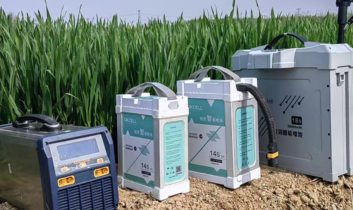
Agricultural Drones:
High-capacity batteries for extended operational periods
Robust durability to withstand harsh environments
High safety performance requirements
Customised Solutions
Our company provides bespoke drone battery solutions tailored to your specific requirements:
Matching the drone's electrical and physical parameters
Optimising capacity, weight, and discharge characteristics
Providing comprehensive safety protection systems
Ensuring optimal performance and long-term reliability
Conclusion
Most drone batteries are not fully interchangeable and must strictly adhere to the manufacturer's specifications. Matching voltage, connectors, dimensions, and intelligent features is paramount.
Should you have any queries when selecting or replacing drone batteries, please consult the specialist drone battery manufacturer OKCELL for precise recommendations tailored to your equipment.

点击右上角
分享给朋友吧







 Long by picture save/share
-

The Heart of Your Operation: A Complete Guide to the Agricultural Drone Battery
A deep dive into how agricultural drone batteries influence power, safety, flight time, and operational efficiency, offering essential insights on specs, maintenance, and choosing the right battery.
MORE -
How China Drone Battery Manufacturers Are Ensuring Quality and Safety
China’s drone battery manufacturers are raising industry standards through advanced engineering, strict safety controls, and reliable quality systems that ensure safer, longer, and more stable flight performance.
MORE -
Expert Guide to Agricultural Drone Battery Maintenance
Ensure safer, longer agricultural drone flights with practical battery maintenance guidance that helps prevent power loss, extend lifespan, and keep field operations efficient.
MORE -
What Are the Best Practices for Maximizing Drone Battery Performance
Maximizing drone battery performance starts with understanding how different missions stress power systems. Smarter charging, temperature control, and load management keep flights safer and longer.
MORE -
How to Charge a Drone Battery Safely and Effectively
Learn how to charge drone batteries safely and maximize performance with proper methods, smart charger choices, and essential practices that protect lifespan and flight reliability.
MORE -
Agricultural Drone Common Sense
Modern agricultural drones transform farming by enabling precise spraying, crop monitoring, and irrigation management, improving efficiency, sustainability, and smarter decision-making on farms.
MORE -
How Can Upgrading Your Drone Battery Improve Its Battery Life
Upgrading your drone battery can significantly extend flight time, stabilize power output, and improve reliability. Smarter chemistry and better design help every mission last longer and perform better.
MORE -
Essential Advice for Picking the Perfect Drone Battery
Discover how selecting the right drone battery impacts flight performance, efficiency, and reliability. Learn to match battery features with real-world needs for safe, stable, and long-lasting operation.
MORE -
How Custom Lithium Battery Packs Elevate UAV Performance
Custom lithium battery packs elevate UAV performance by extending flight time, enhancing stability, and ensuring safety, enabling drones to operate efficiently and reliably across demanding missions.
MORE -
Drone Battery Guide: Types, Safety, and Flight Time
Explore drone battery types, safety practices, and factors affecting flight time to maximize performance, extend lifespan, and ensure reliable operation for every mission.
MORE





Contact Us
With 18 years of extensive experience in battery production andcustomization, we have served thousands of clients. OKcell can providepersonalized one-stop customization services tailored exclusively for you.Contact us directly to explore our factory and products firsthand !
 Phone:+86 15093446331
 E-mail:sherry@izeron.com
 Address:Building 5, 5th Floor, 503, Yida Industrial Park Phase 1, Jinju Street, Zhengzhou High-tech Zone.
OKCELL Copyright © 2021 all rights reserved
Since 2005, with 18 years of dedication to custom battery manufacturing, supported by a team of 300 employees, multiple R&D centers, and 65 patented inventions, we are committed to becoming the world’s leading smart battery manufacturing service provider.
ABOUT COMPANY
CONTACT US
Email Address:
 :sherry@izeron.com
 :+86 15093446331
点击右上角
分享给朋友吧
OUR LOCATION
OKCELL is located at Building 5, 5th Floor, 503, Yida Industrial Park Phase 1, Jinju Street, Zhengzhou High-tech Zone.
OKCELL Copyright © 2021 All rights reserved
Technical Support:ShanHou