





Drone Battery Guide: Types, Safety, and Flight Time
Time: 2025-11-21 10:35:06
A drone's flight performance largely depends on the performance of its batteries. The battery powers the whole aircraft and determines how long flight can last and how stable it is. For different missions, such as recreational flying for aerial photography or more commercial ones like agricultural spraying and surveying inspections, different types of batteries are used. Knowing the characteristics of the batteries and how to use them safely will ensure that any given mission is efficiently completed-a basic but very critical skill required of every operator.
Common Types of Drone Batteries
Lithium Polymer Battery (LiPo)
Most of the drones use lithium polymer batteries since they are light in weight and have a high capacity for discharge. The polymer electrolyte allows a more flexible design of shapes for models with limited installation space. LiPo drone batteries can deliver high power output for short bursts, which makes them ideal for racing, aerial photography, and professional-grade missions. In the process, these intelligent drone batteries are sensitive to operational environments, with strict adherence to charging and discharging protocols of high importance for maintaining performance.
Lithium-ion Batteries (Li-ion)
They exhibit great stability, have long cycle life, and are generally applied in surveying or industrial drones where longer flight times will be required. Although heavier than LiPo, they boast greater energy density, which makes them fit for applications that require longer endurance. Li-ion batteries have a smoother discharge curve, which allows them to provide more sustained output during prolonged cruising, but they lack the instantaneous high-current capability of LiPo.
Solid-State Batteries
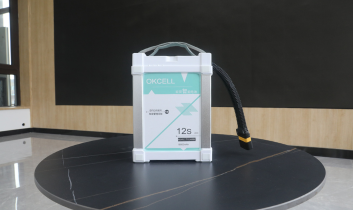
Semi-solid-state smart drone batteries are a new option for long-endurance drones due to their high energy density and improved safety. OKCELL uses a highly nickel-rich cathode and silicon-carbon anode structure, combined with gel and solid-state electrolyte technology to ensure stability and reliability under high-load working conditions and extended flight times, providing professional drones with much more enduring power support.
Drone Battery Safety Best Practices
Follow Battery Temperature Range
Drone batteries age faster and have performance deterioration when extreme temperatures are applied to them. During operation or in storage, maintain intelligent drone batteries in the ideal temperature range provided by the manufacturer. Long exposure to either hot or cold environments must be avoided. Room temperature is best. For example, in summer agricultural operations, avoid leaving batteries in the transport vehicle exposed to direct sunlight; likewise, in a winter surveying mission, avoid activating the smart drone battery directly in very low temperatures.

Use Original or Certified Chargers
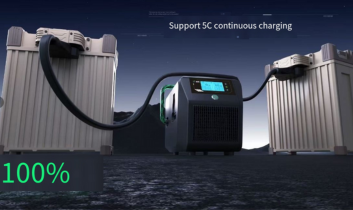
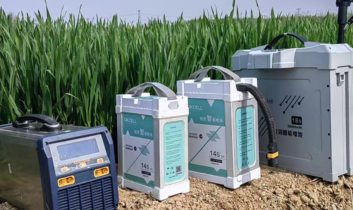
Different batteries have different voltage ratings and different cell constructions. Inappropriate chargers may cause uneven cell charging, overvoltages, or overcurrent risks, even thermal runaway. Industrial and agriculture drones use multi-series high voltage batteries like 12S, 14S; using smart chargers originally provided by the manufacturer or officially certified is rather important for efficiency and safety. Of equal importance is regular inspection of charger connectors and cables for wear and tear.
Avoid Deep Discharges
Fully discharging batteries to 0% creates irreversible cell damage, capacity degradation, increased internal resistance, and seriously shortened lifespans. Recharge when 20-30% of the capacity remains. Though most intelligent drone batteries are designed with low-voltage warnings and automatic protection mechanisms, manual monitoring cannot be eliminated in operations under high load such as spraying, inspection, and heavy-duty transport, where high currents may lead to rapid drops in voltage.
Proper Long-Term Storage
When long-term storage is required, the charge should be maintained between 40% and 60%. Full charge or low charge hastens aging and must therefore be avoided. Store in a cool, dry place away from direct sunlight and humidity. Among these, high-energy-density drone batteries like ternary lithium and semi-solid-state batteries are most sensitive to temperature and humidity. Store them in a stable environment between 15-25°C to preserve optimal health.
Regularly Check Battery Condition
Visually inspect each intelligent drone battery for swelling, physical damage, leakage, or discoloration on the terminals before every use, as these can be a safety hazard. On models deployed very frequently-for instance, drones in agriculture or logistics-check the cycle count regularly, review the temperature log, and check for internal resistance changes. Health checks on batteries can also be carried out periodically when needed. In case any abnormality is detected, immediately stop their usage and recycle them through approved channels.
Use Fire-Resistant Storage Equipment
Fire-resistant bags or explosion-proof containers reduce the risks while charging, storing, or transporting batteries. When flying with drones, follow aviation rules and pack smart drone batteries separately in your carry-on luggage inside flame-retardant bags. Professional users can take advantage of dedicated fireproof boxes to handle several batteries at once in safer conditions.
How Batteries Impact Drone Flight Time
Capacity
The drone battery capacity decides the size of the available energy supply and is a core factor affecting flight duration. Higher capacity would theoretically provide higher endurance, but it is heavier to carry, and correspondingly, higher motor power is consumed. Consumer drones are usually equipped with small or medium-sized capacity batteries. The large-capacity batteries, from 12Ah to 30Ah, are used in such industrial drones for agriculture, surveying, and mapping. In actual flights, there should be a trade-off between capacity and weight; otherwise, the endurance would drop instead of increase.

Discharge rate
The C-rate defines how fast a intelligent drone battery can deliver power during high loads. The higher the C-rate, the better the drone will handle such a power load, which can be encountered in takeoffs, accelerations, wind resistance, or other heavy-load tasks. Inadequately C-rated batteries may drop voltage, not provide enough power, or even result in power cuts, shortening the useful time of flight. High-power models, such as agricultural drones or an inspection drone, need higher-rated C drone batteries to ensure flight efficiency and mission safety.
Energy Density
Energy density reflects the amount of energy a battery can deliver per unit of weight and therefore directly influences endurance. Conventional LiPo batteries have approximately 180–230 Wh/kg; lithium-ion intelligent drone batteries can achieve 250 Wh/kg. Semi-solid batteries can demonstrate even higher energy densities. The higher the energy density, the longer the flying time; however, this also puts greater demands on thermal management and safety design. Industrial drones often use high-energy-density batteries to improve their coverage and efficiency in single missions.
Battery Health
Drone battery health makes a big difference in flight duration. With higher cycle counts, internal resistance also rises with reduced effective capacity, further lowering endurance. In general, older batteries are subject to rapid power losses, unstable voltage warnings immediately after takeoff, and limited flight time. Good charging/discharging practice, avoidance of overcharging/over-discharging, and periodic health checks retard degradation and preserve stable endurance.
Payload and Flight Modes
The payloads of drones and operating method determine the endurance to a great extent. In the case of carrying cameras, radars, or spray tanks with the same intelligent drone batteries, their current consumptions are overwhelmingly different. Aggressive maneuvers, such as an emergency stop, rapid climb, or wind-resistant mode, mean an increase in instantaneous power consumption and hence a reduced flight time. In applications, the industry should rationally plan the weight of payloads and flight strategies according to mission requirements.
Ambient temperature
Temperature has a large impact on smart drone battery performance. Low temperatures reduce usable capacity, greatly reducing flight time, while high temperatures increase the rate of degradation, affecting lifespan. Agricultural spraying, outdoor inspection, and winter surveying, among other tasks, are highly temperature-sensitive and may require preheating or cooling or other forms of thermal management. Good temperature regulation allows for consistent flying times and reliability in the equipment.
Conclusion
It is not only a power core but also an important factor affecting operational efficiency and safety. By comprehensively grasping the characteristics of a battery and paying attention to the usage environment and operating habits, each flight can keep stability and dependability. It is important to focus on batteries and properly manage flight strategies to prolong endurance and lifespan, making every flight more secure and efficient for drone users.

点击右上角
分享给朋友吧







 Long by picture save/share
-

The Heart of Your Operation: A Complete Guide to the Agricultural Drone Battery
A deep dive into how agricultural drone batteries influence power, safety, flight time, and operational efficiency, offering essential insights on specs, maintenance, and choosing the right battery.
MORE -
How China Drone Battery Manufacturers Are Ensuring Quality and Safety
China’s drone battery manufacturers are raising industry standards through advanced engineering, strict safety controls, and reliable quality systems that ensure safer, longer, and more stable flight performance.
MORE -
Expert Guide to Agricultural Drone Battery Maintenance
Ensure safer, longer agricultural drone flights with practical battery maintenance guidance that helps prevent power loss, extend lifespan, and keep field operations efficient.
MORE -
What Are the Best Practices for Maximizing Drone Battery Performance
Maximizing drone battery performance starts with understanding how different missions stress power systems. Smarter charging, temperature control, and load management keep flights safer and longer.
MORE -
How to Charge a Drone Battery Safely and Effectively
Learn how to charge drone batteries safely and maximize performance with proper methods, smart charger choices, and essential practices that protect lifespan and flight reliability.
MORE -
Agricultural Drone Common Sense
Modern agricultural drones transform farming by enabling precise spraying, crop monitoring, and irrigation management, improving efficiency, sustainability, and smarter decision-making on farms.
MORE -
How Can Upgrading Your Drone Battery Improve Its Battery Life
Upgrading your drone battery can significantly extend flight time, stabilize power output, and improve reliability. Smarter chemistry and better design help every mission last longer and perform better.
MORE -
Essential Advice for Picking the Perfect Drone Battery
Discover how selecting the right drone battery impacts flight performance, efficiency, and reliability. Learn to match battery features with real-world needs for safe, stable, and long-lasting operation.
MORE -
How Custom Lithium Battery Packs Elevate UAV Performance
Custom lithium battery packs elevate UAV performance by extending flight time, enhancing stability, and ensuring safety, enabling drones to operate efficiently and reliably across demanding missions.
MORE -
Drone Battery Guide: Types, Safety, and Flight Time
Explore drone battery types, safety practices, and factors affecting flight time to maximize performance, extend lifespan, and ensure reliable operation for every mission.
MORE





Contact Us
With 18 years of extensive experience in battery production andcustomization, we have served thousands of clients. OKcell can providepersonalized one-stop customization services tailored exclusively for you.Contact us directly to explore our factory and products firsthand !
 Phone:+86 15093446331
 E-mail:sherry@izeron.com
 Address:Building 5, 5th Floor, 503, Yida Industrial Park Phase 1, Jinju Street, Zhengzhou High-tech Zone.
OKCELL Copyright © 2021 all rights reserved
Since 2005, with 18 years of dedication to custom battery manufacturing, supported by a team of 300 employees, multiple R&D centers, and 65 patented inventions, we are committed to becoming the world’s leading smart battery manufacturing service provider.
ABOUT COMPANY
CONTACT US
Email Address:
 :sherry@izeron.com
 :+86 15093446331
点击右上角
分享给朋友吧
OUR LOCATION
OKCELL is located at Building 5, 5th Floor, 503, Yida Industrial Park Phase 1, Jinju Street, Zhengzhou High-tech Zone.
OKCELL Copyright © 2021 All rights reserved
Technical Support:ShanHou