





How to Choose a Drone Battery
Time: 2025-08-14 14:23:21
Introduction
The battery is the “power core” of a drone, directly determining flight time, performance stability, usage safety, and equipment lifespan. Choosing the right battery can prevent issues such as insufficient endurance and sudden power drops; choosing the wrong one may affect the flight experience or even damage the equipment. Today's market offers a wide variety of drone batteries, ranging from entry-level to industrial-grade models. Learning to select the appropriate battery is of utmost importance.

Drone Battery Basics
What is a Drone Battery
Drone batteries are mostly rechargeable lithium-based batteries, which are the preferred choice for small aircraft due to their high energy density and light weight. Compared to traditional nickel-metal hydride batteries, they offer higher energy output and better charge-discharge cycle performance for the same weight.
Common Battery Types and Characteristics
Currently, there are three main types of drone batteries, each suited for different applications:
•LiPo (Lithium Polymer Battery): The most common type, featuring high discharge rates and lightweight design, ideal for racing and agile maneuvering scenarios. However, they have a shorter cycle life, typically around 200–300 cycles.
•Li-ion (lithium-ion battery): Long cycle life (over 500 cycles), lower discharge rate but stable output, slightly lower energy density than LiPo, suitable for commercial aerial photography and other scenarios requiring high flight endurance stability.
•LiHV (high-voltage lithium polymer battery): Each cell has a voltage of 3.8V-3.85V, higher than the 3.7V of conventional LiPo. At the same capacity, it can extend flight time by 10%-15%, has high discharge efficiency, and is suitable for professional aerial photography and long-endurance missions. It has high requirements for charger compatibility.
Understanding Parameters of Drone Battery
•Voltage (V): Determines motor speed and power, composed of multiple cells in series (e.g., 3S denotes 3 cells in series). Each LiPo cell has a nominal voltage of 3.7V, resulting in a total voltage of 11.1V for a 3S configuration. It must be matched with the drone's motor and ESC; otherwise, it may damage the equipment or result in insufficient power.
• Capacity (mAh): Indicates the amount of stored charge. Theoretically, the larger the capacity, the longer the flight time. However, balance with weight must be considered, as larger-capacity batteries may be heavier, reducing flight efficiency.
• C-rate (discharge rate): Measures instantaneous discharge capability. A 20C 2000mAh battery can sustain a discharge current of 40A. Racing drones require 30C or higher, while aerial photography drones can use 10-20C.
• Cell Count (e.g., 3S, 4S, 6S): “S” denotes the number of cells in series, affecting the total voltage (6S is 22.2V). High-S-count batteries offer greater power but require higher voltage ratings for ESCs and motors, typically used in large or professional racing drones.
•Weight and size compatibility: Weight affects the center of gravity and payload capacity, while size must match the drone's battery compartment. Small FPV drones typically accommodate batteries weighing less than 50g, while industrial-grade drones can carry high-capacity batteries weighing over 500g.
How to Choose Drone Batteries
Drone Compatibility
The first step in selecting a battery is to confirm the device's parameter requirements: check the voltage range (e.g., “supports 3S-4S batteries”), recommended capacity, maximum load, and battery interface type specified in the drone manual. Even drones of the same brand but different models may have significantly different battery requirements.
Flight Time Objective
If you need to extend the flight time per charge (e.g., for aerial photography or surveying), prioritize high-capacity batteries, but control the increase in weight (the weight increase from the capacity upgrade should not exceed 20% of the drone's total weight). For example, if a drone originally equipped with a 2000mAh battery can fly for 15 minutes, replacing it with a 3000mAh battery (a 30% weight increase) may only extend the flight time to 20 minutes, rather than the theoretical 22.5 minutes, as the additional weight consumes more energy.
Power Requirements
• Racing/FPV Drones: Requires instantaneous high-power output; choose batteries with a discharge rate of 30C or higher to ensure no power degradation during rapid acceleration or vertical climb.
• Aerial Photography Drones: Focus on stable output; a C-rate of 15–20C is sufficient for hovering and steady-speed flight. Excessively high C-rates may increase costs and weight.
• Cargo Drones (e.g., carrying cameras or sensors): Balance capacity and discharge capability; recommend batteries with a medium-to-high C-rate of 20–25C to avoid voltage drops caused by excessive loads.
Balancing Weight and Efficiency
For every 10% increase in battery weight, a drone’s energy consumption may rise by 8%-12%. For example, a 500g drone with a 100g battery (20% of total weight) can fly for 20 minutes; if a 150g high-capacity battery (30% of the total weight) is used, the flight time may only increase to 24 minutes, rather than the theoretical 30 minutes. Therefore, it is recommended to choose a battery whose weight accounts for 15%-25% of the total drone weight to find the optimal balance between endurance and efficiency.
Environmental Factors
• Low-temperature environments (below 10°C): Lithium-based batteries experience reduced activity, with capacity potentially dropping by over 30%. It is recommended to choose LiHV batteries with superior low-temperature performance and preheat the battery to above 15°C before flight.
• High-altitude regions (above 3,000 meters): Thinner air increases motor load, so high C-rate batteries should be selected to compensate for power loss, while appropriately reducing the expected flight time (typically by 15%-20%).
• Long-term storage: If the battery will not be used for an extended period, charge it to 3.8V per cell (approximately 50% capacity). Avoid storing it fully charged or discharged, as this may cause cell swelling or permanent performance degradation.
Safety and Reliability
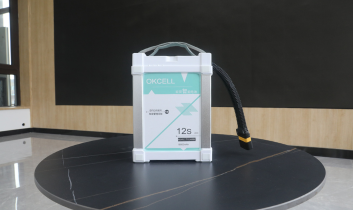
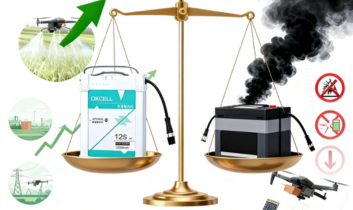
High-quality batteries should have overcharge protection, over-discharge protection, short-circuit protection, and temperature protection features. When selecting batteries, prioritize well-known brands (such as OKCELL), which have higher cell consistency and built-in BMS (Battery Management System) for real-time status monitoring. Avoid purchasing unbranded, low-cost batteries without parameter labels — such products may use recycled cells, posing fire or explosion risks, and often have a lifespan of less than 100 cycles.

Special Requirements for Different Application Scenarios
Aerial Photography and Filming Drones
These drones require prolonged hovering and stable flight. It is recommended to choose high-capacity (5000mAh or above) LiPo or LiHV batteries with medium to low C-rates (10-20C). For example, the DJI Phantom series paired with a 5870mAh 3S battery can achieve over 30 minutes of flight time, meeting most filming requirements. Additionally, battery weight must be balanced with the drone's body to avoid stability issues caused by shifts in center of gravity.
Racing and FPV Drones
Racing drones prioritize speed and agility, so batteries must meet three key criteria: high discharge rate (30C or higher), lightweight design (under 100g), and low internal resistance. Common choices include 4S or 6S LiPo batteries with capacities ranging from 1300mAh to 2200mAh, such as a 2200mAh 6S 40C battery. This provides strong power while keeping the weight of a single battery around 80g, making it suitable for high-intensity competitions with multiple battery swaps.
Industrial and Agricultural Drones
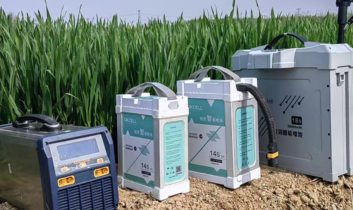
In scenarios such as agricultural pest control and power line inspections, drones need to carry payloads (such as pesticide tanks or sensors) for extended periods of operation. Therefore, high-capacity (10,000mAh or higher), high-voltage (6S-12S), and low-temperature-resistant Li-ion or LiPo batteries should be selected. For example, a 16,000mAh 6S battery can support a 20kg-class agricultural drone for over 40 minutes of continuous operation, and must feature vibration-resistant design to withstand rough terrain.
Educational and Entry-level Drones
Drones used for beginner practice have lower battery performance requirements. It is recommended to prioritize small-capacity (1000mAh-2000mAh), low-cost, and versatile 3S LiPo batteries. These batteries do not require a high cycle life (over 200 cycles is sufficient), but they must support balanced charging to facilitate beginners in mastering maintenance techniques. For example, a 1500mAh 3S 15C battery costs only 30-50 yuan, making it suitable for daily practice and classroom instruction.

How to Verify Battery Quality Before Purchase
• Check the brand and reputation: Review user feedback on e-commerce platforms, focusing on keywords such as “consistent runtime,” “charge/discharge cycles,” and “no swelling,” and avoid products with a negative review rate exceeding 5%.
• Check certification marks: Genuine batteries should meet standards such as CE (EU safety certification), RoHS (environmental certification), and UN38.3 (air transport safety certification). These marks are typically printed on the battery casing.
• Test cell consistency: The voltage difference between individual cells in a high-quality battery should be less than 0.02V when fully charged. This can be tested using a balancing charger — if a cell's voltage is significantly lower than others, it indicates poor cell quality.
• Verify BMS functionality: Batteries with intelligent BMS can automatically shut off during overcharging or short circuits. When purchasing, inquire with the seller whether APP connectivity is supported (some high-end batteries allow viewing of cycle counts, health status, and other data via a smartphone).
Common misconceptions
• Blindly pursuing high capacity: Assuming that higher mAh is always better can result in batteries that are too heavy, reducing the drone's maneuverability or even preventing takeoff.
• Ignoring voltage matching: Connecting a 4S battery to a drone that only supports 3S can burn out the ESC; conversely, using a 3S battery with a 4S drone may result in insufficient power and difficult flight.
• Purchasing low-cost “no-name” batteries: While inexpensive batteries may seem cost-effective, they may cause accidents due to cell defects, resulting in greater losses (such as drone damage or payload damage).
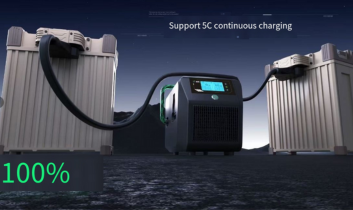
• Ignoring charger compatibility: High-voltage batteries (such as 6S or higher) require dedicated balance chargers; using standard chargers may fail to fully charge the battery or cause overcharging, affecting battery lifespan.
Maintenance Tips to Extend Battery Life
• Proper charging and discharging: Use original or certified chargers and follow the “shallow charge, shallow discharge” principle (avoid charging to 100% or discharging to 0% each time). Limiting single discharge to 70% or less can extend cycle life.
• Storage guidelines: When not in use for an extended period, charge the battery to 3.8V per cell (approximately 50% capacity), store it in a dry, well-ventilated area, maintain a temperature between 10°C and 25°C, and recharge it at least once a month.
• Avoid extreme conditions: During flight, closely monitor low battery alerts and return promptly (recommended landing with remaining battery level above 20%); do not continue operation if the battery is swollen or overheating.
Conclusion
A high-quality battery not only enhances the flight experience but also protects expensive drone equipment.
If you still have questions about how to choose a drone battery, you can consult OKCELL drone manufacturers. We can provide customized recommendations based on the model and usage scenario. Remember, a reasonable investment in batteries will ultimately translate into more reliable flight performance and a longer equipment lifespan.

点击右上角
分享给朋友吧







 Long by picture save/share
-

The Heart of Your Operation: A Complete Guide to the Agricultural Drone Battery
A deep dive into how agricultural drone batteries influence power, safety, flight time, and operational efficiency, offering essential insights on specs, maintenance, and choosing the right battery.
MORE -
How China Drone Battery Manufacturers Are Ensuring Quality and Safety
China’s drone battery manufacturers are raising industry standards through advanced engineering, strict safety controls, and reliable quality systems that ensure safer, longer, and more stable flight performance.
MORE -
Expert Guide to Agricultural Drone Battery Maintenance
Ensure safer, longer agricultural drone flights with practical battery maintenance guidance that helps prevent power loss, extend lifespan, and keep field operations efficient.
MORE -
What Are the Best Practices for Maximizing Drone Battery Performance
Maximizing drone battery performance starts with understanding how different missions stress power systems. Smarter charging, temperature control, and load management keep flights safer and longer.
MORE -
How to Charge a Drone Battery Safely and Effectively
Learn how to charge drone batteries safely and maximize performance with proper methods, smart charger choices, and essential practices that protect lifespan and flight reliability.
MORE -
Agricultural Drone Common Sense
Modern agricultural drones transform farming by enabling precise spraying, crop monitoring, and irrigation management, improving efficiency, sustainability, and smarter decision-making on farms.
MORE -
How Can Upgrading Your Drone Battery Improve Its Battery Life
Upgrading your drone battery can significantly extend flight time, stabilize power output, and improve reliability. Smarter chemistry and better design help every mission last longer and perform better.
MORE -
Essential Advice for Picking the Perfect Drone Battery
Discover how selecting the right drone battery impacts flight performance, efficiency, and reliability. Learn to match battery features with real-world needs for safe, stable, and long-lasting operation.
MORE -
How Custom Lithium Battery Packs Elevate UAV Performance
Custom lithium battery packs elevate UAV performance by extending flight time, enhancing stability, and ensuring safety, enabling drones to operate efficiently and reliably across demanding missions.
MORE -
Drone Battery Guide: Types, Safety, and Flight Time
Explore drone battery types, safety practices, and factors affecting flight time to maximize performance, extend lifespan, and ensure reliable operation for every mission.
MORE





Contact Us
With 18 years of extensive experience in battery production andcustomization, we have served thousands of clients. OKcell can providepersonalized one-stop customization services tailored exclusively for you.Contact us directly to explore our factory and products firsthand !
 Phone:+86 15093446331
 E-mail:sherry@izeron.com
 Address:Building 5, 5th Floor, 503, Yida Industrial Park Phase 1, Jinju Street, Zhengzhou High-tech Zone.
OKCELL Copyright © 2021 all rights reserved
Since 2005, with 18 years of dedication to custom battery manufacturing, supported by a team of 300 employees, multiple R&D centers, and 65 patented inventions, we are committed to becoming the world’s leading smart battery manufacturing service provider.
ABOUT COMPANY
CONTACT US
Email Address:
 :sherry@izeron.com
 :+86 15093446331
点击右上角
分享给朋友吧
OUR LOCATION
OKCELL is located at Building 5, 5th Floor, 503, Yida Industrial Park Phase 1, Jinju Street, Zhengzhou High-tech Zone.
OKCELL Copyright © 2021 All rights reserved
Technical Support:ShanHou