





What Are the FAA Requirements for Farmers Operating a Drone
Time: 2025-08-25 00:00:00
Introduction
In recent years, the application of drones in agriculture has become increasingly widespread, with everyone from small family farms to large agricultural enterprises actively introducing this technology. It offers numerous benefits to farmers, such as quickly identifying signs of pest and disease outbreaks through high-resolution imagery during crop monitoring, precisely controlling pesticide application during aerial spraying, generating detailed fertility maps through soil health assessments, and real-time tracking of livestock movement and health status, all of which significantly enhance agricultural productivity and efficiency.
However, as usage increases, the sharing of airspace between drones and manned aircraft has become increasingly common. Farmers must strictly comply with Federal Aviation Administration (FAA) regulations to ensure the safe and legal operation of drones. Failure to do so may result in serious consequences such as accidents caused by drone malfunctions, damage to others' property, and hefty legal penalties.

Why FAA Regulations are Critical for Farmers
Safety concerns
FAA regulations prioritise safety, with each provision rigorously vetted. Improperly operated drones can endanger personnel, property, and airspace safety. In agricultural settings, field workers often operate in dispersed locations, making drone crashes or malfunctions highly likely to cause personal injury; Additionally, agricultural areas may be near small airports or helicopter flight paths. If a drone enters their flight paths, it could cause serious mid-air collision risks, especially during peak flight times in the early morning or evening. Strictly adhering to regulations regarding flight altitude and airspace boundaries can effectively prevent such accidents.
Compliance
Compliance with FAA regulations is a clear legal obligation and is mandatory. Farmers operating drones for commercial purposes, whether to monitor their own crops to increase sales revenue or to provide paid aerial photography services to neighbouring farmers, fall under the category of commercial operators. Failure to meet regulatory requirements may result in fines ranging from thousands to tens of thousands of dollars, and in severe cases, suspension of drone operation qualifications, disrupting agricultural production plans. The FAA regularly updates regulations based on technological advancements and real-world cases. Farmers must stay informed through official channels to avoid legal issues caused by outdated information.
Improving Operational Efficiency
Compliant flight operations can enhance operational efficiency in multiple ways. When assessing drone insurance, insurance companies consider compliance status as a key metric. Compliant operators typically receive more favourable premiums and broader coverage, such as higher compensation ratios in the event of drone damage. Additionally, compliant operators have priority access to advanced drone technology, such as new models with automatic obstacle avoidance features, which are often only available for upgrade to compliant users. This also reduces downtime caused by legal disputes, making agricultural operations smoother.
Overview of FAA Drone Regulations
Part 107: Commercial Drone Operator Rules
FAA Part 107 is the core guideline for commercial drone operations, detailing requirements ranging from equipment standards to personnel qualifications. It applies to all farmers using drones for commercial activities, whether monitoring their own crops to optimise planting schemes or providing paid services such as pest and disease inspections for other farms.
This part covers specific procedures for pilot certification, operational restrictions in different scenarios, equipment maintenance standards, and more. Each rule is designed to establish a safe and orderly aerial operation environment, and compliance with these rules is the foundation for legal and safe operations.
Key FAA Requirements for Farmers
Pilot Certification: Remote Pilot Certificate (Part 107)
Drone operators engaged in commercial agricultural activities must obtain this certificate, which is a prerequisite for legal operation. Applicants must pass an aviation knowledge exam covering FAA regulations, the impact of weather on drone operations, emergency response procedures, and more. Abundant preparation resources are available, including official textbooks and practice question banks on the FAA website, as well as targeted online courses and in-person training offered by third-party institutions. Applicants must be at least 16 years old, proficient in reading, writing, speaking, and understanding English, and pass a rigorous background check by the Transportation Security Administration (TSA) to ensure no safety concerns.
Operational Restrictions
• Maximum Altitude: Strictly limited to 400 feet (AGL). This altitude has been validated through extensive data analysis, balancing the need for agricultural operations to observe crops and terrain while effectively avoiding the typical flight altitudes of manned aircraft, thereby reducing collision risks.
• Visual Line of Sight (VLOS) Rule: The drone must remain within the operator's visual line of sight at all times. ‘Visual’ here means the operator can clearly observe the drone's flight attitude and position with the naked eye without the aid of binoculars or other devices, enabling timely control in emergencies such as encountering strong winds to address potential hazards.
• Daytime Operations: Operations are typically limited to daytime or civil twilight flights. Civil twilight refers to the time periods from 30 minutes before sunrise to 30 minutes after sunrise, and from 30 minutes after sunset to 30 minutes before sunset. During these periods, lighting conditions meet safety requirements for flight. Nighttime flights require separate special authorisation from the FAA.
Weight Restrictions
The maximum weight of a drone, including payload, is 55 pounds. This restriction takes into account both the difficulty of controlling the drone and the potential damage from a collision. Drones exceeding this weight have greater inertia, making it harder to brake promptly in emergencies, and a crash could cause significantly more damage to people and property on the ground. Ensuring the drone remains within this weight limit helps maintain safe management.
Airspace Restrictions
Flights in Class B, C, D, and E controlled airspace must obtain prior approval. These airspaces are typically designated around sensitive areas such as airports and military bases. Farmers can apply through the LAANC system, which connects to the FAA's airspace database to quickly check the airspace usage status of the target area. After submitting an application, approval results are typically received within minutes, helping farmers plan flight times and routes in advance.
No Flying Over Crowds
It is strictly prohibited to fly over crowds not involved in the operation, including unrelated workers in the fields or passing villagers. This is because the drone's propellers rotate at high speeds, and if a mechanical failure causes the drone to crash, it could easily cause cuts or other injuries to people below. This rule fundamentally protects public safety.
Pre-flight Inspection
A comprehensive inspection of the drone must be conducted before each flight, including checking for cracks in the airframe structure, ensuring the propellers are securely installed, verifying battery charge levels, and confirming the proper functioning of sensors and cameras. A detailed inspection can promptly identify potential issues, such as loose battery connections that could cause power loss during flight, thereby reducing the risk of malfunctions and ensuring flight safety.

Special FAA Exemptions and Permits Available to Farmers
Agricultural Operations and Remote Pilot Certification
A Part 107 certificate must be obtained in accordance with standard procedures. On this basis, exemptions may be applied for in specific circumstances for agricultural operations. For example, when low-lying protective tree belts surround the farm, making it difficult to meet standard visual line-of-sight requirements, appropriate relaxations may be requested; or during crop maturity periods requiring frequent low-altitude operations, adjustments to certain altitude restrictions may be sought. Applications must include detailed operational plans demonstrating that operations can be conducted safely through additional measures, such as adding ground observers.
Agricultural Exemption (Section 333)
This exemption is specifically designed for agricultural operations such as aerial spraying and large-scale crop mapping, allowing the use of equipment and operational methods that exceed conventional restrictions. Applicants must submit detailed application materials, including maps of the operational area, drone technical specifications, safety operation manuals, and emergency response plans. Upon approval, larger-capacity spraying equipment may be used to enhance operational efficiency, or flight times may be flexibly adjusted during specific time periods. However, the application process is complex, requiring review by multiple FAA departments, and all additional requirements must be met.
Beyond Visual Line of Sight (BVLOS) Flight
Large-scale farm operators often need to apply for BVLOS exemptions due to the extensive size of their fields to reduce the time spent manually moving control points. When applying, they must demonstrate reliable safety measures, such as installing advanced radar obstacle avoidance systems, establishing real-time data transmission monitoring centres, and deploying professional emergency response teams. Once approved, BVLOS flights are permitted within designated areas, but must strictly adhere to the flight routes, communication frequencies, and emergency procedures specified in the exemption.
Drone Insurance and Liability Considerations for Farmers
Drone operators need to have various types of insurance, with liability insurance being the foundation, which provides compensation when a drone causes damage to others' property (such as damaging a greenhouse) or personal injury; hull insurance covers the repair costs for damage to the drone itself; some farms also purchase crop insurance add-ons to protect against crop losses caused by drone operation errors. Compliant operators typically pay 20%–30% lower insurance premiums than non-compliant operators, and during claims processing, a record of compliant operations can expedite the review process and reduce disputes.

How to Stay Informed about FAA Drone Regulations
FAA Resources
The FAA's DroneZone website is the central information platform, providing complete regulatory texts, interpretation guidelines, and an online registration system where farmers must complete real-name registration for their drones. The website updates in real-time with notifications of regulatory changes, safety warning cases, and compliance standards for new drone technologies. Regular visits ensure farmers receive critical information promptly, helping them make decisions compliant with regulations.
Continuous Training and Recertification
Remote pilot certificates require regular updates, typically every two years through continuing education. The FAA offers targeted training courses based on regulatory changes, covering topics such as interpretations of new provisions and analyses of typical violations. Farmers can participate in online courses or in-person workshops through FAA-approved training institutions to meet recertification requirements while also learning advanced operational techniques, ensuring compliance and efficient use of drones.
The Future of Agricultural Drone Regulations
FAA regulations are continuously evolving driven by technological advancements, and progress in remote identification and BVLOS operations will significantly impact the agricultural sector. In the future, all drones will be required to be equipped with remote identification modules, transmitting real-time location and operator information to regulatory authorities. This will enhance airspace management efficiency but also necessitate farmers to promptly upgrade their equipment. Meanwhile, the approval process for BVLOS flights may be simplified, offering greater convenience for large-scale farms, but stricter safety standards will also be introduced, requiring farmers to adapt to these changes in advance.
Conclusion
Farmers using drones must be familiar with the FAA’s key requirements, including strict pilot certification, clear operational restrictions, and necessary pre-flight checks, while also understanding the application conditions for special exemptions. Compliant operations not only significantly enhance operational safety and reduce accidents but also improve operational efficiency, secure more favourable insurance policies and technical support, and create additional business collaboration opportunities. Farmers are encouraged to incorporate regulatory learning into their daily management, continuously monitor updates through official channels, and actively comply with regulations to fully leverage the value of drone technology in agriculture.
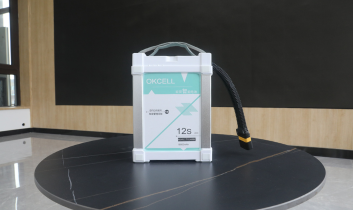
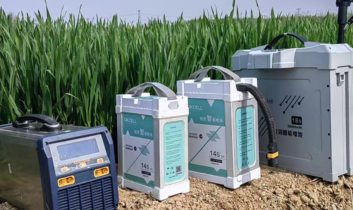
As the world's leading manufacturer of lithium-ion batteries, OKCELL provides high power and high energy density agri drone batteries. If you have any questions or needs, please contact us through online customer service or by phone.

点击右上角
分享给朋友吧







 Long by picture save/share
-

The Heart of Your Operation: A Complete Guide to the Agricultural Drone Battery
A deep dive into how agricultural drone batteries influence power, safety, flight time, and operational efficiency, offering essential insights on specs, maintenance, and choosing the right battery.
MORE -
How China Drone Battery Manufacturers Are Ensuring Quality and Safety
China’s drone battery manufacturers are raising industry standards through advanced engineering, strict safety controls, and reliable quality systems that ensure safer, longer, and more stable flight performance.
MORE -
Expert Guide to Agricultural Drone Battery Maintenance
Ensure safer, longer agricultural drone flights with practical battery maintenance guidance that helps prevent power loss, extend lifespan, and keep field operations efficient.
MORE -
What Are the Best Practices for Maximizing Drone Battery Performance
Maximizing drone battery performance starts with understanding how different missions stress power systems. Smarter charging, temperature control, and load management keep flights safer and longer.
MORE -
How to Charge a Drone Battery Safely and Effectively
Learn how to charge drone batteries safely and maximize performance with proper methods, smart charger choices, and essential practices that protect lifespan and flight reliability.
MORE -
Agricultural Drone Common Sense
Modern agricultural drones transform farming by enabling precise spraying, crop monitoring, and irrigation management, improving efficiency, sustainability, and smarter decision-making on farms.
MORE -
How Can Upgrading Your Drone Battery Improve Its Battery Life
Upgrading your drone battery can significantly extend flight time, stabilize power output, and improve reliability. Smarter chemistry and better design help every mission last longer and perform better.
MORE -
Essential Advice for Picking the Perfect Drone Battery
Discover how selecting the right drone battery impacts flight performance, efficiency, and reliability. Learn to match battery features with real-world needs for safe, stable, and long-lasting operation.
MORE -
How Custom Lithium Battery Packs Elevate UAV Performance
Custom lithium battery packs elevate UAV performance by extending flight time, enhancing stability, and ensuring safety, enabling drones to operate efficiently and reliably across demanding missions.
MORE -
Drone Battery Guide: Types, Safety, and Flight Time
Explore drone battery types, safety practices, and factors affecting flight time to maximize performance, extend lifespan, and ensure reliable operation for every mission.
MORE





Contact Us
With 18 years of extensive experience in battery production andcustomization, we have served thousands of clients. OKcell can providepersonalized one-stop customization services tailored exclusively for you.Contact us directly to explore our factory and products firsthand !
 Phone:+86 15093446331
 E-mail:sherry@izeron.com
 Address:Building 5, 5th Floor, 503, Yida Industrial Park Phase 1, Jinju Street, Zhengzhou High-tech Zone.
OKCELL Copyright © 2021 all rights reserved
Since 2005, with 18 years of dedication to custom battery manufacturing, supported by a team of 300 employees, multiple R&D centers, and 65 patented inventions, we are committed to becoming the world’s leading smart battery manufacturing service provider.
ABOUT COMPANY
CONTACT US
Email Address:
 :sherry@izeron.com
 :+86 15093446331
点击右上角
分享给朋友吧
OUR LOCATION
OKCELL is located at Building 5, 5th Floor, 503, Yida Industrial Park Phase 1, Jinju Street, Zhengzhou High-tech Zone.
OKCELL Copyright © 2021 All rights reserved
Technical Support:ShanHou