





How to Check Drone Battery Cycle
Time: 2025-07-18 17:20:22
What Exactly is Drone Battery Cycling?
In terms of basic concepts, battery cycling refers to a complete charging and discharging process. In the case of a drone battery, a cycle is completed when the battery is discharged from a fully charged state and then recharged to full capacity. However, a cycle here is not the same as a single flight use. For example, a battery that is discharged to 50%, then recharged, and then repeated again from fully charged to 50% discharged and then recharged, accumulates to a complete battery cycle.
Each of these cycles gradually reduces the capacity of the battery. Think of it like a car tire, which wears out over time as the mileage increases. Similarly, the ability of a battery to store a full charge diminishes over time and with more cycles. In general, the life of a drone battery is usually measured by the number of cycles it can withstand, and most drone batteries have a cycle life of between 300 and 500 cycles before their performance drops significantly. Of course, this value will vary depending on the quality and chemical composition of the battery, as well as the conditions of use.
How to Calculate Drone Battery Cycles
To calculate the number of drone battery cycles, two key pieces of information need to be clarified:
Battery cycle life: this is the number of cycles a battery is expected to be able to go through before its performance begins to degrade, and is usually provided by the battery manufacturer. The cycle life will vary between different battery models.
Current Battery Cycle Count: This is the number of cycles the battery has completed.
With these two figures, the number of remaining battery cycles can be calculated using the following formula: Remaining Battery Cycle Count = Battery Cycle Life – Current Battery Cycle Count.
For example, let’s say your drone’s battery cycle life is 300 cycles and the current cycle count is 150 cycles. Then, according to the above formula: Remaining Battery Cycles = 300 – 150 = 150. This means that you have approximately 150 battery cycles left before the battery performance starts to degrade.
But it’s important to note that this calculation is based on an ideal situation. In reality, battery performance is affected by a variety of other factors. Therefore, to get the most accurate information about battery cycles and overall battery life, be sure to refer to the manufacturer’s guidelines and specifications for your particular drone battery.

Factors Affecting the Number of Cycles of Drone Battery
Battery Quality
The materials used to make the battery and the manufacturing process have a direct impact on the number of cycles. High-quality flight batteries are often able to withstand more cycles and have a longer lifespan due to better material selection and manufacturing processes. Therefore, when purchasing a drone battery, don’t just look for a cheap one, choose a reliable quality product, which will help to protect your flight experience and reduce costs in the long run.
Temperature
The impact of ambient temperature on intelligent flight battery performance should not be underestimated. Excessively high or low temperatures can cause varying degrees of damage to the battery. In a high-temperature environment, the chemical reaction inside the battery will accelerate, resulting in a faster decay of the battery capacity; while in a low-temperature environment, the chemical reaction rate of the battery slows down, and the usable capacity of the battery decreases, while the internal resistance increases, affecting the output power of the battery.
Therefore, when using and storing drone batteries, avoid extreme temperature environments as much as possible, for example, do not expose the batteries to sunlight for a long time in hot summer, and try to store the batteries in a warm room in cold winter.
Charging Method
The charging method also has a great impact on the drone flight battery life. Different types of batteries have different charging methods. Generally speaking, a proper slow charging method is more friendly to the battery. Although fast charging can save time, frequent use of fast charging may lead to severe heating and accelerate battery aging. Therefore, when conditions permit, prefer slow charging to charge the drone battery, and use a charger that matches the battery, and strictly follow the charger’s instructions.
Usage Habits
The daily habits of using the UAV battery will also affect the number of cycles. Try to avoid over-discharging and over-charging. Over-discharging can damage the electrode materials inside the battery and reduce its capacity, while over-charging can cause the battery to heat up, bulge, or even cause safety issues. When using the drone, pay attention to the battery power display and land the drone in time when tahe power is close to the low battery warning; when charging, when the battery is full, you should unplug the charger in time, and don't let the battery stay in the overcharged state for a long time.
Storage Conditions
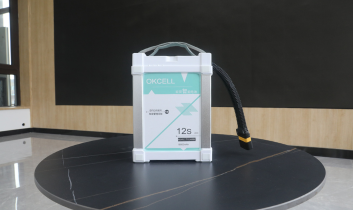
The way the lithium polymer battery is stored and the environment are also closely related to the battery life. The battery should be stored in a dry and cool place, avoiding humidity and high temperature environment. In addition, for batteries that need to be stored for a long period of time, they should be charged to the appropriate storage voltage. Generally speaking, it is more appropriate to keep the storage voltage of lithium batteries at about 3.8 volts per cell. Some brands of drones, such as OKCELL have a battery management system with a storage mode, which automatically adjusts the battery to the proper storage voltage to facilitate user operation.

Advanced Tips for Extending Drone Battery Life
Optimize Charging Operations
When charging your drone's battery, be sure to choose a charger specifically designed for LiPo batteries (such as the common LiPo battery). Never use a mismatched charger, as this can lead to overcharging or other charging issues that can seriously shorten battery life and even cause safety accidents.
Regular Battery Maintenance
Get into the good habit of checking your UAV battery regularly and include it in your daily drone maintenance routine. Even if the battery appears to be working properly, regular inspections can help identify potential problems so that small issues don’t turn into major failures. For example, with regular cosmetic inspections, it may be possible to detect subtle signs of bulging on the surface of the drone battery ahead of time, and take steps to replace the battery in time to prevent accidents during flight.
Control Storage Voltage
When storing batteries for extended periods of time, be sure to maintain the battery voltage at a storage voltage of approximately 3.8 volts per cell. As mentioned earlier, OKCELL drone batteries offer a storage mode that, when enabled, automatically adjusts the batteries to the proper storage voltage for convenience and reliability. If you don’t have this automatic adjustment feature, you can also use a charger with a storage voltage setting feature to adjust the battery voltage.
Transporting Drone Battery Safely
When traveling with your drone, be sure to remove the battery from the drone and use a fireproof bag designed specifically for lithium batteries to transport the battery. Li-ion batteries carry certain risks during transportation, especially when subjected to extrusion, collision, or high temperatures, which may cause a fire or explosion. The use of fireproof bags can reduce this risk to a certain extent and ensure safe transportation.
Follow Manufacturer Guidelines
Always strictly follow the drone battery care and use guidelines provided by the drone and battery manufacturer. These guidelines have been developed through extensive research, development and testing to ensure the safety of the batteries and maximize their lifespan. Whether it’s charging, discharging, storing or using the various precautions during use, it’s important to take them seriously and never rely on your own experience.
Managing Drone Battery Cycle Records
It is recommended to keep a detailed record of the number of charge cycles for each lithium battery. By recording and tracking the number of cycles, you can get a clear picture of the usage status of each drone battery, and be prepared to replace the battery in advance when it is near the end of its service life, so as to avoid accidents due to the deterioration of the battery's performance during the flight. You can use your laptop to record manually, or you can automatically record and track battery cycle data with the help of some battery management applications.
How to Properly Charge and Discharge Drone Batteries
Charging Operation
There are two main ways to charge a drone battery, one is to use a specially matched charger, and the other is to charge it by connecting it to a power source through a charging cable. When carrying out charging operations, first of all, make sure that the correct power adapter and charging cable are selected, and their specifications must match the battery. At the same time, strictly follow the operating procedures in the charger’s instruction manual, as different brands and models of chargers may have differences in operating details.
In addition, pay close attention to the drone battery temperature during the charging process. Overheating of the battery will cause damage to its performance and life, so avoid charging for a long time, and also do not charge the battery immediately after use when the temperature is still high, should wait for the battery to cool to room temperature before charging.
Discharge Operation
Usually, the discharge of the drone battery is realized by drone flight. When flying with the drone, be careful to avoid completely draining the battery, and do not continue to use the battery when it is below a safe threshold. Over-discharging can cause irreversible damage to the battery and drastically shorten its life. At the same time, it is important to pay attention to the drone's power alerts, and land the drone in time when the power level is close to the low-battery warning, in order to prevent damage to the battery due to over-discharge, and to ensure that the battery is able to carry out charging and discharging cycles within a reasonable power range, so as to prolong its lifespan.
Conclusion
For drone users, it is crucial to master the key points of battery cycle management, which can not only improve the performance of the drone, but also ensure flight safety, extend the life of the battery and save the cost of use. As a global leading UAV battery manufacturer, OKCELL offers 350Wh/kg semi-solid state drone battery and intelligent drone battery solutions to meet the needs of all knids of commercial and industrial drone applications. If you have any questions or needs, please feel free to contact us at okcell@izeron.com.

点击右上角
分享给朋友吧







 Long by picture save/share
-

The Heart of Your Operation: A Complete Guide to the Agricultural Drone Battery
A deep dive into how agricultural drone batteries influence power, safety, flight time, and operational efficiency, offering essential insights on specs, maintenance, and choosing the right battery.
MORE -
How China Drone Battery Manufacturers Are Ensuring Quality and Safety
China’s drone battery manufacturers are raising industry standards through advanced engineering, strict safety controls, and reliable quality systems that ensure safer, longer, and more stable flight performance.
MORE -
Expert Guide to Agricultural Drone Battery Maintenance
Ensure safer, longer agricultural drone flights with practical battery maintenance guidance that helps prevent power loss, extend lifespan, and keep field operations efficient.
MORE -
What Are the Best Practices for Maximizing Drone Battery Performance
Maximizing drone battery performance starts with understanding how different missions stress power systems. Smarter charging, temperature control, and load management keep flights safer and longer.
MORE -
How to Charge a Drone Battery Safely and Effectively
Learn how to charge drone batteries safely and maximize performance with proper methods, smart charger choices, and essential practices that protect lifespan and flight reliability.
MORE -
Agricultural Drone Common Sense
Modern agricultural drones transform farming by enabling precise spraying, crop monitoring, and irrigation management, improving efficiency, sustainability, and smarter decision-making on farms.
MORE -
How Can Upgrading Your Drone Battery Improve Its Battery Life
Upgrading your drone battery can significantly extend flight time, stabilize power output, and improve reliability. Smarter chemistry and better design help every mission last longer and perform better.
MORE -
Essential Advice for Picking the Perfect Drone Battery
Discover how selecting the right drone battery impacts flight performance, efficiency, and reliability. Learn to match battery features with real-world needs for safe, stable, and long-lasting operation.
MORE -
How Custom Lithium Battery Packs Elevate UAV Performance
Custom lithium battery packs elevate UAV performance by extending flight time, enhancing stability, and ensuring safety, enabling drones to operate efficiently and reliably across demanding missions.
MORE -
Drone Battery Guide: Types, Safety, and Flight Time
Explore drone battery types, safety practices, and factors affecting flight time to maximize performance, extend lifespan, and ensure reliable operation for every mission.
MORE






Contact Us
With 18 years of extensive experience in battery production andcustomization, we have served thousands of clients. OKcell can providepersonalized one-stop customization services tailored exclusively for you.Contact us directly to explore our factory and products firsthand !
 Phone:+86 15093446331
 E-mail:sherry@izeron.com
 Address:Building 5, 5th Floor, 503, Yida Industrial Park Phase 1, Jinju Street, Zhengzhou High-tech Zone.
OKCELL Copyright © 2021 all rights reserved
Since 2005, with 18 years of dedication to custom battery manufacturing, supported by a team of 300 employees, multiple R&D centers, and 65 patented inventions, we are committed to becoming the world’s leading smart battery manufacturing service provider.
ABOUT COMPANY
CONTACT US
Email Address:
 :sherry@izeron.com
 :+86 15093446331
点击右上角
分享给朋友吧
OUR LOCATION
OKCELL is located at Building 5, 5th Floor, 503, Yida Industrial Park Phase 1, Jinju Street, Zhengzhou High-tech Zone.
OKCELL Copyright © 2021 All rights reserved
Technical Support:ShanHou