





Drone Battery Storage Temperature Range
Time: 2025-09-18 10:41:25
The storage of drone batteries is a critical factor affecting their long-term performance and service life, yet it is often overlooked by users. Understanding and adhering to the appropriate storage temperature range for drone batteries is essential knowledge for every drone operator and forms the foundation for ensuring efficient and safe operation.

Why Storage Temperature is Critical for Drone Batteries
Chemical Properties and Temperature Sensitivity of Lithium Batteries
Common drone batteries (such as LiPo) operate by the movement of lithium ions between positive and negative electrodes. Temperatures that are too high or too low disrupt the chemical reaction equilibrium. At suitable temperatures, battery performance remains optimal; at unsuitable temperatures, ion migration slows and side reactions may occur, damaging electrodes and electrolyte and degrading battery performance.
Risks of High-Temperature Storage
Significant hazards arise when batteries are stored in elevated temperatures (e.g., in vehicles exposed to summer sun, or in sealed, poorly ventilated warehouses):
Swelling: High temperatures accelerate electrolyte decomposition, generating substantial gases (e.g., carbon dioxide, methane). Trapped gases cause the battery casing to expand and bulge; severe cases may rupture, leading to electrolyte leakage.
Rapid Capacity Degradation: Heat accelerates electrode material ageing, disrupting the ‘channels’ for lithium-ion insertion/extraction. This drastically reduces the battery's storable charge. For instance, a battery originally supporting 30 minutes of flight may rapidly degrade to under 20 minutes.
Fire Hazard: Prolonged high temperatures may cause the internal separator (a critical component preventing short circuits between positive and negative electrodes) to melt. This allows direct contact between electrodes, triggering internal short circuits and potentially resulting in fire or explosion.
Risks of Low-Temperature Storage
Low-temperature environments (such as outdoor winter conditions or unheated garages) also pose damage risks to batteries:
Electrolyte Viscosity Increase: Low temperatures raise electrolyte viscosity, increasing resistance to lithium-ion migration. This effect resembles a ‘narrowing road,’ preventing the battery from discharging power normally.
Significant Rise in Internal Resistance: Internal resistance is an internal parameter that impedes current flow. Low temperatures cause it to surge sharply, not only reducing output power but also potentially generating more heat during charging and discharging, further compromising performance.
Plunging charge/discharge efficiency: Even when charged, batteries struggle to deliver power reliably in cold conditions, potentially causing drone start-up difficulties or sudden power loss during flight. Additionally, charging in low temperatures often results in ‘false capacity’ – where the display indicates a full charge, yet the actual capacity falls far short of the stated level.
Recommended Storage Temperature Range for Drone Batteries
Ideal Storage Temperature Range for Conventional Lithium Batteries
The recommended storage temperature range for conventional drone lithium-ion batteries is 15°C–25°C. This range is termed the battery's ‘comfort storage zone’. Within these temperatures, internal chemical reactions proceed at a slow and stable rate, minimising capacity degradation while preventing adverse reactions. This ensures sustained performance following extended storage.
Note that slight variations may exist between different battery brands and models. Users should consult the battery manual or official manufacturer specifications prior to storage to ensure temperature control aligns with specific product requirements.
Temperature Requirements for Short-Term vs. Long-Term Storage
Temperature specifications vary according to storage duration and should be adjusted as follows:
Short-term storage (1–2 weeks): For temporary holding, temperatures may be moderately relaxed to 10°C–30°C. During this phase, battery performance changes minimally, so overly stringent control is unnecessary. However, extreme temperatures (e.g., above 35°C or below 5°C) should still be avoided.
Long-term storage (over 1 month): Strict adherence to the core range of 15°C–25°C is essential, and a dry, stable environment must be selected. During prolonged storage, cumulative temperature fluctuations cause cumulative damage to the battery. Even minor deviations over time can lead to significant capacity loss, necessitating consistent temperature maintenance.
Synergy Between Battery Charge Level and Temperature During Storage
Storage temperature is not an isolated factor; optimal results require coordinated management with the battery's charge level. Industry consensus recommends maintaining battery charge levels between 40%–60% during storage, combined with temperatures of 15°C–25°C, as the optimal storage condition for drone batteries.
If charge levels are excessively high (e.g., above 80%), even at suitable temperatures, minor oxidation reactions persist within the battery, accelerating electrode ageing over time. Conversely, excessively low charge levels (below 20%) risk triggering a ‘deep discharge’ state. This prevents lithium ions from properly re-embedding into the electrodes, causing irreversible capacity loss and potentially rendering the battery unusable. The 40%–60% charge range avoids these pitfalls while enabling rapid top-ups when needed, balancing safety with practicality.

Consequences of Storage Beyond the Ideal Temperature Range
Specific Consequences of Overheated Storage
When battery storage temperatures persistently exceed 30°C, damage manifests progressively and accelerates:
Irreversible battery swelling: High temperatures cause electrolyte decomposition, producing gases that permanently deform the battery casing. Once swollen, the battery's internal structure remains damaged even after cooling, rendering it incapable of restoring original performance. Continued use poses a fire hazard; immediate discontinuation is essential.
Substantial reduction in lifespan: Under normal conditions, drone lithium batteries can be recharged 300–500 times. Prolonged storage above 35°C may abruptly reduce cycle life to 100–200 cycles, significantly increasing operational costs.
Uncontrolled internal chemical reactions: Elevated temperatures trigger additional side reactions, such as dissolution of the cathode material and formation of lithium dendrites (tree-like crystalline structures) on the anode. These dendrites may pierce the separator, causing internal short circuits. The instantaneous heat release from such short circuits can induce thermal runaway, leading to fire or explosion.
Specific Consequences of Sub-Zero Storage
When stored below 10°C, battery performance degrades rapidly and may sustain permanent damage:
Coexistence of ‘temporary’ and ‘permanent’ capacity loss: Short-term cold storage (e.g., 1–2 days) typically causes temporary capacity reduction, partially recoverable upon return to ambient temperature. However, prolonged exposure to sub-zero conditions (e.g., storage below 0°C for over a week) damages electrode material structure, rendering capacity loss permanent and irrecoverable even after rewarming.
Drone failure to start normally: Batteries stored at excessively low temperatures exhibit increased internal resistance and insufficient output current. This may cause the drone to report errors upon startup, prevent motor activation, or force an immediate landing due to ‘insufficient power supply’ after takeoff, potentially resulting in flight accidents.
Uneven cell degradation: Multi-cell drone batteries (e.g., common 3S or 4S configurations) experience differential performance deterioration among individual cells at low temperatures, causing ‘cell imbalance’. This imbalance further accelerates battery degradation, creating a vicious cycle that shortens overall battery lifespan.
Additional Risks in Extreme Environments
During outdoor operations, transportation, and other special scenarios, batteries may encounter more extreme temperature conditions, escalating risks:
Outdoor operational scenarios: In desert regions (where daytime temperatures may exceed 40°C in summer) or high-altitude, high-temperature environments, batteries left unprotected may swell within 1–2 hours if not promptly stored in shaded areas. Conversely, in frigid polar or high-altitude zones (where winter temperatures dip below -10°C), batteries exposed to outdoor storage may become inoperable within half an hour.
During transportation: In air freight, hold temperatures may drop to -20°C. Batteries without thermal protection risk damage from extreme cold. During road transport, summer cabin temperatures can exceed 60°C. Storing batteries inside vehicles poses a high fire risk, with enclosed spaces amplifying accident severity.
Storage Temperature Techniques for Different Scenarios
Domestic Storage Scenarios
Prioritise enclosed cabinets in study rooms or bedroom drawers (away from windows to avoid direct sunlight), which offer stable temperature control, moisture insulation, and dust protection.
During summer, place in a cool, shaded spot away from air conditioning vents; during high temperatures, wrap ice packs in towels and place inside cabinets. In winter, avoid low-temperature areas like balconies and doorways; position near indoor warmth but away from heat sources.
Industrial/Agricultural Drone Storage
Establish dedicated warehouses equipped with air conditioning and dehumidification systems, maintaining temperatures between 15°C–25°C and humidity levels at 40%–60%. Install ventilation and temperature monitoring devices.
Organise storage into ‘Ready-to-Use Zone’, ‘Storage Zone’, and ‘Maintenance Zone’ based on battery usage frequency and charge levels. Avoid mixing storage categories to facilitate inspection and maintenance.
Travel / Transport Scenarios
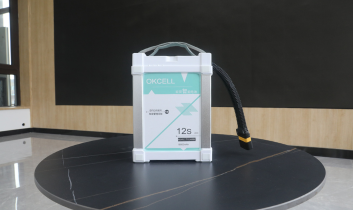
Utilise professional protective cases with thermal insulation and shock-absorbing padding (e.g., OKCELL-branded cases) to mitigate temperature fluctuations and prevent impact damage.
For air travel, carry batteries personally (no more than two high-capacity batteries per person) to avoid low temperatures in the hold. During road transport, do not leave batteries in the vehicle (to guard against summer heat and winter cold); carry them personally or store them in the air-conditioned driver's cab.
Conclusion
Temperature management for drone batteries is a critical factor affecting their performance, lifespan, and safety. Both high and low temperatures can cause irreversible damage to the battery, potentially leading to safety incidents. Scientific temperature and charge management practices remain fundamental principles that every drone user must adhere to.

点击右上角
分享给朋友吧







 Long by picture save/share
-

The Heart of Your Operation: A Complete Guide to the Agricultural Drone Battery
A deep dive into how agricultural drone batteries influence power, safety, flight time, and operational efficiency, offering essential insights on specs, maintenance, and choosing the right battery.
MORE -
How China Drone Battery Manufacturers Are Ensuring Quality and Safety
China’s drone battery manufacturers are raising industry standards through advanced engineering, strict safety controls, and reliable quality systems that ensure safer, longer, and more stable flight performance.
MORE -
Expert Guide to Agricultural Drone Battery Maintenance
Ensure safer, longer agricultural drone flights with practical battery maintenance guidance that helps prevent power loss, extend lifespan, and keep field operations efficient.
MORE -
What Are the Best Practices for Maximizing Drone Battery Performance
Maximizing drone battery performance starts with understanding how different missions stress power systems. Smarter charging, temperature control, and load management keep flights safer and longer.
MORE -
How to Charge a Drone Battery Safely and Effectively
Learn how to charge drone batteries safely and maximize performance with proper methods, smart charger choices, and essential practices that protect lifespan and flight reliability.
MORE -
Agricultural Drone Common Sense
Modern agricultural drones transform farming by enabling precise spraying, crop monitoring, and irrigation management, improving efficiency, sustainability, and smarter decision-making on farms.
MORE -
How Can Upgrading Your Drone Battery Improve Its Battery Life
Upgrading your drone battery can significantly extend flight time, stabilize power output, and improve reliability. Smarter chemistry and better design help every mission last longer and perform better.
MORE -
Essential Advice for Picking the Perfect Drone Battery
Discover how selecting the right drone battery impacts flight performance, efficiency, and reliability. Learn to match battery features with real-world needs for safe, stable, and long-lasting operation.
MORE -
How Custom Lithium Battery Packs Elevate UAV Performance
Custom lithium battery packs elevate UAV performance by extending flight time, enhancing stability, and ensuring safety, enabling drones to operate efficiently and reliably across demanding missions.
MORE -
Drone Battery Guide: Types, Safety, and Flight Time
Explore drone battery types, safety practices, and factors affecting flight time to maximize performance, extend lifespan, and ensure reliable operation for every mission.
MORE





Contact Us
With 18 years of extensive experience in battery production andcustomization, we have served thousands of clients. OKcell can providepersonalized one-stop customization services tailored exclusively for you.Contact us directly to explore our factory and products firsthand !
 Phone:+86 15093446331
 E-mail:sherry@izeron.com
 Address:Building 5, 5th Floor, 503, Yida Industrial Park Phase 1, Jinju Street, Zhengzhou High-tech Zone.
OKCELL Copyright © 2021 all rights reserved
Since 2005, with 18 years of dedication to custom battery manufacturing, supported by a team of 300 employees, multiple R&D centers, and 65 patented inventions, we are committed to becoming the world’s leading smart battery manufacturing service provider.
ABOUT COMPANY
CONTACT US
Email Address:
 :sherry@izeron.com
 :+86 15093446331
点击右上角
分享给朋友吧
OUR LOCATION
OKCELL is located at Building 5, 5th Floor, 503, Yida Industrial Park Phase 1, Jinju Street, Zhengzhou High-tech Zone.
OKCELL Copyright © 2021 All rights reserved
Technical Support:ShanHou