





Advantages of Semi-solid-state Batteries in UAVs
Time: 2025-07-23 11:46:32
Introduction
In the current rapid development of science and technology, drones are found in various fields. Consumer drones are used for aerial photography to record the beauty of mountains and rivers; logistics drones shuttle between urban and rural areas to achieve rapid distribution; surveying and mapping drones scan the terrain to help engineering construction; and agricultural plant protection drones soar over the fields to guard the growth of crops.
In the operation of drones, the battery plays a core role. It is like the ‘heart’ of the drone, providing power for the drone's flight and equipment operation. As UAV application scenarios continue to expand, the limitations of traditional lithium-ion batteries in terms of energy density, safety and other aspects are gradually emerging, making it difficult to meet the growing demand.
As an emerging technology, semi-solid state battery, with its unique performance advantages, has gradually become a research hotspot in the field of UAV batteries, and is expected to bring new breakthroughs in the development of UAVs.
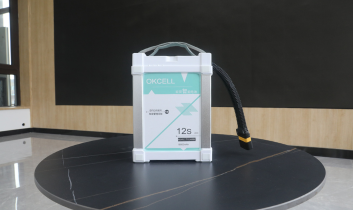
OKCELL Semi-solid-state Batteries Technology Features
Semi-solid Battery Dual Electrolyte Innovation
Semi-solid state battery, the electrolyte is in a special state between liquid and solid state. In traditional liquid lithium-ion batteries, lithium ions rely on the liquid electrolyte shuttle to achieve charge and discharge.
Semi-solid batteries, on the other hand, use a gel electrolyte or solid electrolyte coating, which changes the way lithium ions are transported and the electrochemical reaction process is different. This special structural design gives semi-solid state battery unique performance advantages.
Semi-solid State Battery Structure Characteristics
Semi-solid state battery consists of positive electrode, negative electrode, electrolyte and diaphragm. The positive electrode is made of high nickel material, which can maximise the energy density output and meet the power demand of UAVs for long flights.
The silicon and carbon composite structure of the negative electrode dramatically increases the lithium storage capacity, ensures the stable operation of the battery at high energy density, and extends the cycle life.
The solid electrolyte coating ensures stable ion transport channels at high discharge multipliers, which is critical for high-load operations of industrial drones. Gel electrolyte in-situ curing technology combines the high efficiency of liquid electrolyte with the safety of solid electrolyte, reducing the risk of leakage and enhancing thermal stability.
Advantages of semi-solid-state Batteries in UAVs
Exceptionally High Energy Density
Energy density is a key indicator of battery performance. Traditional lithium-ion batteries generally have an energy density of 200 - 250 Wh/kg, while semi-solid state batteries can reach 275 - 350 Wh/kg.
In the case of a mapping drone, for example, the range of a conventional battery is only 40 minutes, making it difficult to cover large areas. After replacing the semi-solid battery, the endurance is increased to 60 minutes, and the area covered by a single flight is increased, which significantly improves the operational efficiency.
For long-distance transport and large-area monitoring UAVs, the high energy density of semi-solid batteries has obvious advantages, allowing them to carry more power and reduce the frequency of charging to ensure the successful completion of complex tasks.
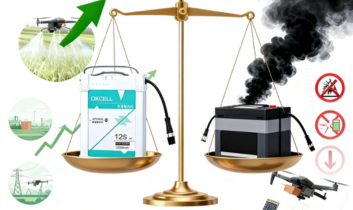
Enhanced Safety Performance
Safety is an important consideration for UAV operations. The liquid electrolyte of traditional lithium-ion batteries is prone to leakage triggering short circuits, fires and even explosions when the battery is hit, punctured or overheated.
Semi-solid state batteries use gel electrolyte or solid state electrolyte coating to structurally reduce the risk of liquid electrolyte leakage. Even in extreme environments such as high temperatures and high vibration, they can maintain stable performance and avoid thermal runaway.
In military reconnaissance UAV applications, the high safety of semi-solid batteries ensures stable operation of UAVs in dangerous missions, preventing mission failure and information leakage due to battery failure.
Faster Charging Capabilities
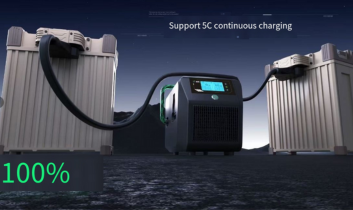
Time is of the essence for UAV applications. Traditional lithium-ion batteries have a charging multiplier of about 1C, and it takes 1 - 2 hours to fully charge; semi-solid-state batteries support higher multipliers, some of which can be up to 2C or even higher, and can be fully charged in 30 - 60 minutes.
In the case of logistics and distribution drones, for example, fast charging enables them to be reintroduced to distribution within a short period of time, increasing the number of deliveries per day and significantly improving logistics efficiency.
In commercial UAV applications, such as power inspection and aerial photography services, fast charging of semi-solid batteries reduces downtime, improves the efficiency of equipment use, and creates greater economic benefits.
Longer Lifespan and Durability
Semi-solid-state batteries achieve long cycle life by inhibiting the growth of lithium dendrites, optimising the structure of electrode materials and other technologies. After multiple charging and discharging, its performance degradation is slower than that of traditional lithium-ion batteries.
This means that semi-solid batteries can be replaced less often within the same service life. Industrial inspection drones frequently perform tasks, using traditional batteries need to be replaced once every few months; after the adoption of semi-solid batteries, the replacement cycle is significantly extended.
This not only reduces battery procurement costs, but also reduces downtime for maintenance, effectively lowering overall operating costs and saving money for the enterprise.
Compact and Lightweight Design
Semi-solid batteries adopt new materials and optimise the internal structure layout, resulting in a smaller volume and lighter weight for the same energy capacity.
This design reduces the overall weight of the UAV, lowers flight energy consumption and increases flight distance. At the same time, it provides more space for the UAV design, making it more compact and flexible, and improving manoeuvrability.
After the small aerial photography UAV is equipped with lightweight semi-solid batteries, it will be more stable when shooting, and the picture will be clearer, and it can also be equipped with a higher resolution camera to enhance the shooting effect.
Application of Semi-solid Batteries in different UAVs
Consumer-grade UAVs
Consumer-grade UAV users are concerned about flight time and safety. The adoption of semi-solid batteries by some well-known brands has significantly extended flight time, allowing users to enjoy aerial photography.
High safety allows users to fly more safely in various environments such as cities and scenic spots. Moreover, with the reduced battery size, the drone design is more compact and portable, which enhances the user experience.
Industrial-grade UAVs
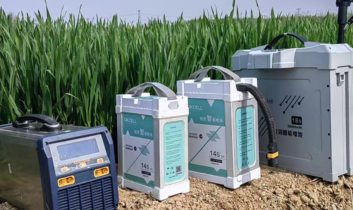
In the field of agricultural plant protection, industrial-grade UAVs need to operate for a long time and over a large area. Semi-solid-state batteries have long endurance and high load capacity, reducing the time for power exchange and ensuring that farmland operations are completed efficiently.
In power inspection, UAVs often face complex terrain and harsh environments. The fast charging and high reliability of semi-solid batteries enable them to replenish power in an emergency and continue inspections, guaranteeing the safety of power supply.
Military UAVs
The military field has extremely high requirements for UAV performance and safety. Semi-solid batteries are used in military reconnaissance UAVs to ensure stable operation and access to critical intelligence in dangerous missions by virtue of high safety and long endurance.
For military attack UAVs, the high energy density and fast charging capability of semi-solid batteries support the carrying of more weapons and the execution of multiple missions within a short period of time, thus enhancing combat effectiveness.
Challenges and Development Trends of Semi-Solid State Batteries
The Current Challenges
Although the advantages of semi-solid state battery is significant, but still face challenges. First, the cost problem is prominent. The development of new materials and complex production processes, resulting in high manufacturing costs, limiting large-scale popularisation.
Second, the technology needs to be improved. Poor performance in low-temperature environments, battery consistency and stability also need to be further optimised to adapt to more application scenarios.
Future Development Trend
With the increase in scientific research investment and technological innovation, the future of semi-solid state batteries is promising. The energy density will be further improved, and the endurance of the UAV will be stronger; the charging speed will be faster, and a full charge will be achieved in a short time.
After the technology matures, the cost will be gradually reduced to achieve large-scale commercial application. In the future, semi-solid batteries will be widely used in various types of UAVs, promoting the development of the industry and driving the upgrading of the relevant industry chain.
Conclusion
In summary, semi-solid state batteries have significant advantages in energy density, safety, charging speed, life and design. High energy density extends UAV range, enhanced safety guarantees stable operation, fast charging improves efficiency, long life and high durability reduces costs, and compact and lightweight optimises flight performance. These advantages provide strong support for the application of UAVs in multiple fields and promote the development of the industry. If you want to know more about solid-state drone batteries, please contact us via Email okcell@izeron.com.

点击右上角
分享给朋友吧







 Long by picture save/share
-

The Heart of Your Operation: A Complete Guide to the Agricultural Drone Battery
A deep dive into how agricultural drone batteries influence power, safety, flight time, and operational efficiency, offering essential insights on specs, maintenance, and choosing the right battery.
MORE -
How China Drone Battery Manufacturers Are Ensuring Quality and Safety
China’s drone battery manufacturers are raising industry standards through advanced engineering, strict safety controls, and reliable quality systems that ensure safer, longer, and more stable flight performance.
MORE -
Expert Guide to Agricultural Drone Battery Maintenance
Ensure safer, longer agricultural drone flights with practical battery maintenance guidance that helps prevent power loss, extend lifespan, and keep field operations efficient.
MORE -
What Are the Best Practices for Maximizing Drone Battery Performance
Maximizing drone battery performance starts with understanding how different missions stress power systems. Smarter charging, temperature control, and load management keep flights safer and longer.
MORE -
How to Charge a Drone Battery Safely and Effectively
Learn how to charge drone batteries safely and maximize performance with proper methods, smart charger choices, and essential practices that protect lifespan and flight reliability.
MORE -
Agricultural Drone Common Sense
Modern agricultural drones transform farming by enabling precise spraying, crop monitoring, and irrigation management, improving efficiency, sustainability, and smarter decision-making on farms.
MORE -
How Can Upgrading Your Drone Battery Improve Its Battery Life
Upgrading your drone battery can significantly extend flight time, stabilize power output, and improve reliability. Smarter chemistry and better design help every mission last longer and perform better.
MORE -
Essential Advice for Picking the Perfect Drone Battery
Discover how selecting the right drone battery impacts flight performance, efficiency, and reliability. Learn to match battery features with real-world needs for safe, stable, and long-lasting operation.
MORE -
How Custom Lithium Battery Packs Elevate UAV Performance
Custom lithium battery packs elevate UAV performance by extending flight time, enhancing stability, and ensuring safety, enabling drones to operate efficiently and reliably across demanding missions.
MORE -
Drone Battery Guide: Types, Safety, and Flight Time
Explore drone battery types, safety practices, and factors affecting flight time to maximize performance, extend lifespan, and ensure reliable operation for every mission.
MORE





Contact Us
With 18 years of extensive experience in battery production andcustomization, we have served thousands of clients. OKcell can providepersonalized one-stop customization services tailored exclusively for you.Contact us directly to explore our factory and products firsthand !
 Phone:+86 15093446331
 E-mail:sherry@izeron.com
 Address:Building 5, 5th Floor, 503, Yida Industrial Park Phase 1, Jinju Street, Zhengzhou High-tech Zone.
OKCELL Copyright © 2021 all rights reserved
Since 2005, with 18 years of dedication to custom battery manufacturing, supported by a team of 300 employees, multiple R&D centers, and 65 patented inventions, we are committed to becoming the world’s leading smart battery manufacturing service provider.
ABOUT COMPANY
CONTACT US
Email Address:
 :sherry@izeron.com
 :+86 15093446331
点击右上角
分享给朋友吧
OUR LOCATION
OKCELL is located at Building 5, 5th Floor, 503, Yida Industrial Park Phase 1, Jinju Street, Zhengzhou High-tech Zone.
OKCELL Copyright © 2021 All rights reserved
Technical Support:ShanHou