





What Is The Longest Lasting Drone Battery
Time: 2025-11-04 11:29:09
Rather than being an inconvenience, limited flight time can be a major productivity bottleneck for many agricultural operators and industrial users of drones. Frequent swaps, interrupted missions, and delayed inspections or spray operations-these reduce overall efficiency and increase the cost of operation. The right choice of long-lasting battery enables your drone to stay in the air for longer, cover greater areas, and complete critical tasks without any downtime.
Why Drone Battery Life Matters
A drone's flight time depends almost completely on its batteries. Longer battery life simply means wider field coverage for an agricultural drone user and more missions complete for the industrial operator. Improvement in energy efficiency and proper power system selection can help users extend flight time and reduce downtime to boost overall productivity.
The endurance of the intelligent flight battery's battery is what constitutes good performance in demanding applications. Longer-living batteries mean fewer flights to get a job of agricultural spraying, inspection, or mapping done. Knowing how weather and use patterns are going to affect battery life maintains consistent performance, prolongs service life, and ensures predictable, efficient operations every time.
How Long Do Drone Batteries Last
Drone battery performances directly determine the working efficiency of both agricultural and industrial drones. Professional models need powerful and long-lasting batteries to support big payloads and continuous operations in demanding environments, quite unlike those from consumer drones. Understanding the length of life for such batteries assists operators in making better mission plans, hence reducing downtime to a minimum.
Flight duration per charge
Considering industrial and agricultural drones, mission time for them ranges from 45 minutes to over 2 hours. These flying machines use high-capacity lithium battery packs and optimized power systems that balance heavy payloads with efficient energy use for extended operations of spraying, mapping, or inspection missions.
Battery Life and Charge Cycles
Good-quality industrial drone batteries provide anywhere from 300 to 600 charge cycles before any significant capacity loss is observed. Very heavy usage under harsh conditions, like on farms or at construction sites, will reduce battery of drone overall lifespan, whereas good charging, preventing over-discharge, and keeping the batteries within ideal temperature ranges promote long-term good performance.
Maintenance and Environmental Factors
The main point of maintenance for agricultural drones is caring for the batteries, as the heat, dampness, and dust will quickly deteriorate them. Cleaning connectors, storing at 40-60% charge during inactivity, and avoiding extreme weather are ways an operator should care for their system. Consistent care ensures power delivery is stable and doesn't fail early in the field.

4 Factors that Affect Flight Time of Drones
Battery Energy Density
Energy density denotes how much power the drone battery can provide without adding too much extra weight. In longer missions, high-voltage, large-capacity lithium packs are usually used in industrial and agricultural drones. On the other hand, higher energy density needs more sophisticated thermal and BMS control systems. An intelligent BMS in OKCELL drone batteries can perform real-time monitoring of voltage, temperature, and current for safe and efficient operation.
Payload and equipment load
Agricultural or inspection drones are typically loaded with payloads like sprayers, sensors, cameras, etc. Every added kilogram increases the energy correspondingly and reduces the length of the flight. Optimizing payload weight and using lightweight materials can greatly improve endurance and overall efficiency for long, repetitive missions.
Flight Patterns and Workload
Flight time of a drone also depends on how it flies. Agricultural drones flying on steady routes, which are pre-programmed to carry out spray applications, are much more fuel-efficient than those making sharp turns or quick changes in elevation. In the same vein, smooth and automated flight paths guided through an intelligent control system prevent unnecessary power wastage, increasing overall airtime.
Environmental Conditions
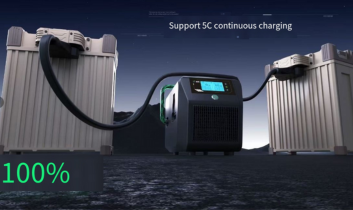
Temperature, humidity, and wind are major factors affecting a battery's efficiency and flight time. The chemical activity is slower in extremely low temperatures, while strong headwinds mean heavy power demands. Operators can select high-performance batteries designed to work well under extreme conditions, such as OKCELL Supercharged 5C battery, which supplies power stably even at -20°C (-4°F), maintaining up to 70% discharge capacity to ensure that agricultural and industrial drones can perform their tasks safely and efficiently.
How to Calculate Battery Flight Time for a Drone
Here is a formula below:
Flight time(mins) =Battery Capacity AH/(Motors Number × Motor Current A) × 60 × 0.8
Note:
- It should be in Amper-hours, from an installed battery intended for your industrial or agricultural drone.
- Motor Current refers to the average current at the thrust needed for your mission, considering payload like sprayers, sensors, or cameras (see motor data table).
- Besides, a factor of 0.8 allows for a margin of safety and accounts for real-world inefficiencies.
- Ecological variables include wind, temperature, and altitude that could lower the actual flying time.
- Heavier payloads or frequent sharp maneuvers increase power consumption.
- Performance stability and lifetime can always be assured by monitoring the health of the battery and avoiding full discharge.
Which Drone Applications Require the Longest Flight Time
Many sectors are using drones, all of which have requirements for flying times. Other applications require extended flying times, enabling them to perform their operation efficiently without interruptions and over a wide area. This knowledge of which applications particularly need prolonged flights will enable the operator to choose what drone and batteries will provide the best performance.
Precision Agriculture
Agricultural drones monitor crops, spray over large areas, or collect data, all of which require increased flight times. The longer the airtime, the less frequent the landings and hence an improvement in efficiency during the operation and coverage of vast expanses of farmland. This becomes an important aspect of precision agriculture, since unmanned flights can offer accurate mapping, spraying, and real-time assessment of the health of crops.
Land Surveying and Mapping
Large-area drone mapping, or LiDAR scanning, involves longer flights. Continuous flights limit the amount of downtime needed to replace batteries and allow consistent high-resolution data capture over wide areas. Combining efficient flight planning with extended battery life means that survey drones can complete missions without interruptions.

Search and Rescue Operations
The great advantage of drones in search and rescue missions is long flight times. With longer airtime, operators are able to scan larger areas, access remote or hazardous locations, and increase the likelihood of locating missing persons. This, in turn, enables longer flights, providing more time for highly detailed aerial assessments that improve the general effectiveness when dealing with vital emergencies.
Environmental & Wildlife Monitoring
Drones intended for tracking wildlife, monitoring ecosystems, or gathering environmental data fly over remote or hard-to-reach areas. Long flight times are critical in gathering enough data without having to make landings frequently. This will ensure full coverage for research, conservation, and ecological assessment aside from making field operations more effective.
Industrial Inspections
Industrial drones deployed in inspecting infrastructure, like pipelines, power lines, or big facilities, need longer flight times in order to accomplish a detailed survey. The longer endurance reduces disruptions that enable operators to perform inspections comprehensively with just one flight. Efficient management of the battery keeps the drones performing consistently, even when flying over extensive or complex industrial sites.
Delivery and Logistics
That means delivery drones should fly as much as possible-either to deliver goods over long distances or to complete lots of drop-offs in one charge. Airtime increases overall efficiency, cuts down on recharging downtime, and ascertains that delivery can be reliably delivered in a timely way. Endurance will be the base foundation of commercial logistics, especially in those areas where your customers are repeatedly situated or over-long-distance areas.
Types of Long-Lasting Drone Batteries
Consumer Drones
Most drones, be they the DJI Mavic 3 or something like an Autel EVO II, boast lightweight batteries that could keep the flight going for 30 to 45 minutes. They are good for aerial photography and videography and even casual flying. They are compact, easy to handle, and assure smooth, pleasant flights.
Professional/Industrial Drones
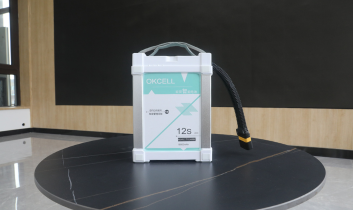
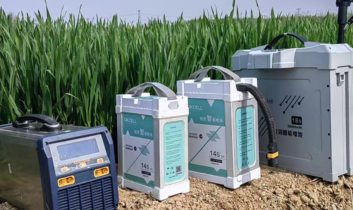
Industrial mapping, agricultural spraying, inspections, and other high-demand applications are powered by heavy-duty batteries. Standard batteries normally last up to 60 minutes, while our OKcell intelligent batteries can extend up to 90–120 minutes and realize much more stable and reliable power for longer missions and heavy-load operations.
Customized Solutions
OKcell introduces several types of customized batteries to meet the different needs of various drones and mission requirements. The smart management system protects such batteries against overcharge, over-discharge, and overheating conditions for safe, efficient, long-lasting performance in industrial, agricultural, and specialized drone operations.
Conclusion
Selection of the drone battery is quite important in realizing flight time and operational efficiency. Increased endurance allows one to carry out missions without interruptions, cover very large areas, and do admirably in the most extreme conditions. By choosing batteries that best fit your drone and mission needs, you can ensure safe, productive, and efficient flights each time.

点击右上角
分享给朋友吧







 Long by picture save/share
-

The Heart of Your Operation: A Complete Guide to the Agricultural Drone Battery
A deep dive into how agricultural drone batteries influence power, safety, flight time, and operational efficiency, offering essential insights on specs, maintenance, and choosing the right battery.
MORE -
How China Drone Battery Manufacturers Are Ensuring Quality and Safety
China’s drone battery manufacturers are raising industry standards through advanced engineering, strict safety controls, and reliable quality systems that ensure safer, longer, and more stable flight performance.
MORE -
Expert Guide to Agricultural Drone Battery Maintenance
Ensure safer, longer agricultural drone flights with practical battery maintenance guidance that helps prevent power loss, extend lifespan, and keep field operations efficient.
MORE -
What Are the Best Practices for Maximizing Drone Battery Performance
Maximizing drone battery performance starts with understanding how different missions stress power systems. Smarter charging, temperature control, and load management keep flights safer and longer.
MORE -
How to Charge a Drone Battery Safely and Effectively
Learn how to charge drone batteries safely and maximize performance with proper methods, smart charger choices, and essential practices that protect lifespan and flight reliability.
MORE -
Agricultural Drone Common Sense
Modern agricultural drones transform farming by enabling precise spraying, crop monitoring, and irrigation management, improving efficiency, sustainability, and smarter decision-making on farms.
MORE -
How Can Upgrading Your Drone Battery Improve Its Battery Life
Upgrading your drone battery can significantly extend flight time, stabilize power output, and improve reliability. Smarter chemistry and better design help every mission last longer and perform better.
MORE -
Essential Advice for Picking the Perfect Drone Battery
Discover how selecting the right drone battery impacts flight performance, efficiency, and reliability. Learn to match battery features with real-world needs for safe, stable, and long-lasting operation.
MORE -
How Custom Lithium Battery Packs Elevate UAV Performance
Custom lithium battery packs elevate UAV performance by extending flight time, enhancing stability, and ensuring safety, enabling drones to operate efficiently and reliably across demanding missions.
MORE -
Drone Battery Guide: Types, Safety, and Flight Time
Explore drone battery types, safety practices, and factors affecting flight time to maximize performance, extend lifespan, and ensure reliable operation for every mission.
MORE





Contact Us
With 18 years of extensive experience in battery production andcustomization, we have served thousands of clients. OKcell can providepersonalized one-stop customization services tailored exclusively for you.Contact us directly to explore our factory and products firsthand !
 Phone:+86 15093446331
 E-mail:sherry@izeron.com
 Address:Building 5, 5th Floor, 503, Yida Industrial Park Phase 1, Jinju Street, Zhengzhou High-tech Zone.
OKCELL Copyright © 2021 all rights reserved
Since 2005, with 18 years of dedication to custom battery manufacturing, supported by a team of 300 employees, multiple R&D centers, and 65 patented inventions, we are committed to becoming the world’s leading smart battery manufacturing service provider.
ABOUT COMPANY
CONTACT US
Email Address:
 :sherry@izeron.com
 :+86 15093446331
点击右上角
分享给朋友吧
OUR LOCATION
OKCELL is located at Building 5, 5th Floor, 503, Yida Industrial Park Phase 1, Jinju Street, Zhengzhou High-tech Zone.
OKCELL Copyright © 2021 All rights reserved
Technical Support:ShanHou