





Top Features to Look for in a Drone Battery Charger
Time: 2025-11-18 16:50:38
Drones applied in agricultural surveying, industrial inspections, or logistics transportation usually have higher demands for longer flight times and higher frequencies of flying. Slow or unstable battery charging directly influences operational efficiency, probably causing mission delays or inability to fly a drone on time. The selection of an efficient, safe, and reliable battery charger reduces waiting times and safeguards battery performance and service life. It keeps drones in their best state of flight and maintains continuous work and mission power.
Charging Speed and Efficiency
Among the most important factors of consideration is the charging speed. High-efficiency chargers can provide more power within the limits of safety, restore battery capacity in less time, and reduce wait times. Faster charging for drones on missions, aerial photography, or those that need to take off and land frequently contributes to greater overall operational efficiency and thus enables continuous and stable flight schedules.
While seeking quick charging, efficiency is just as important. Appropriate charging currents and intelligent regulating techniques balance the charge of the battery to prevent extreme elevation of temperature and overcharge damages. Using chargers matched with the batteries has ensured stability in the performance of the cells, prolonging service life. An efficient charging scheme not only quickens the pace but also secures safety in its entirety.
Battery Charger Power Output
Output power is the energy a charger could provide and determines the charging speed. Highly powerful devices have stronger outputs for large-capacity batteries that can be used in scenarios which require long flights, such as agricultural drones and logistics drones. Conversely, small to medium-sized drones generally require less power to get the job done. The right power ensures stability during charging and efficiency, averting too much time consumption due to poor power.
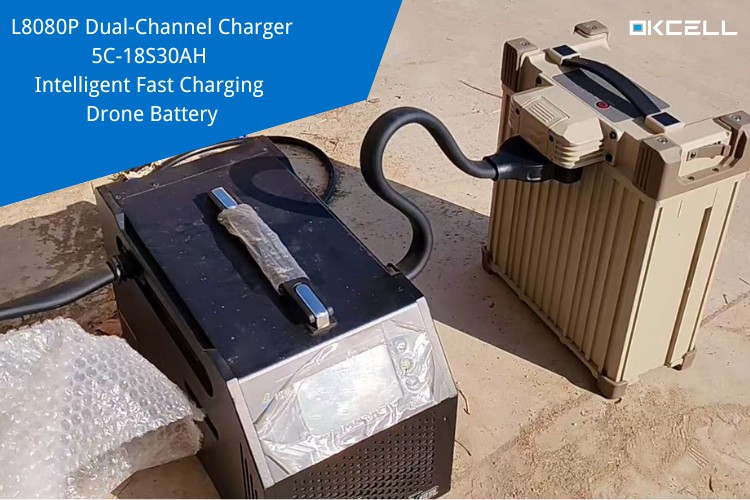
Selecting a charger also requires checking that the charger power output meets the required charging current of the battery; with greater power comes the potential for more battery charging at the same time and using faster methods of charging, but this must fall within the tolerance limit of the battery to maintain system safety and stability in performance. Choosing according to the specifications of the drone battery will promote efficiency in the general charging operation and prolong the life of the battery.
Compatibility with Battery Types
The most important thing about a drone battery charger is to confirm whether the charger supports your battery type. Different batteries have different chemical properties and charging methods. For example, the charging mode for LiPo and Li-ion batteries is different; using an incompatible charger will not only reduce the charging efficiency but can easily damage the battery cells. Therefore, the voltage, capacity, and charging parameters of the battery should first be confirmed before purchase.
A good charger should support multiple settings for the battery type so that different drone batteries can be used flexibly with different devices. If the original charger is not available, one may choose a compatible alternative from a reputable brand, provided its output voltage and current precisely match the battery specifications. Proper compatibility not only means safer charging but also helps in extending the overall life of the battery.
Safety Features of Drone Battery Chargers
The major factors that one looks for in a drone battery charger are safety features. Normally, higher-quality chargers will integrate protective functions that include temperature monitoring, cell balancing, and automatic power cutoff, which will reduce the risks of overheating, swelling, or cell damage significantly. This kind of smart safety system automatically adjusts the power output immediately, or it may simply stop the charging when it detects abnormalities, hence ensuring the batteries are recharging in a stable environment and prolonging their overall lifespan.
The general protection includes overcharge protection, overtemperature protection, and short-circuit protection. These prevent any abnormal currents or overheating during charging. Most premium chargers independently verify each cell in order to avoid the potential dangers that could be caused by the voltage imbalance. Selecting charging equipment that has comprehensive safety systems safeguards performance not only for your battery but guarantees that each charge is more reliable and carefree.
Smart Charging and Monitoring
The modern chargers designed for drone batteries are intelligent and can regulate the output current and power by themselves according to the state of the battery. This makes the charging both efficient and safe. Cell voltage, temperature, and health status are continuously monitored, while appropriate actions like slowing down the charge rate or holding operations are performed quickly in order to prevent overheating or overloading. Such kinds of intelligent regulations greatly enhance the stability and reliability of charging.

Some advanced chargers are able to monitor data such as energy input, duration, cycle count, and battery performance for each charge cycle. This means that users will gain far more insight into the actual use of their batteries and be able to quickly spot degradation or other unusual trends. If issues such as excessively long charging times or sudden temperature spikes are occurring, the system warns users in advance so they may take corrective measures before problems worsen to keep missions running smooth.
Multiple Charging Ports and Flexibility
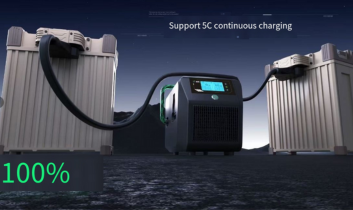
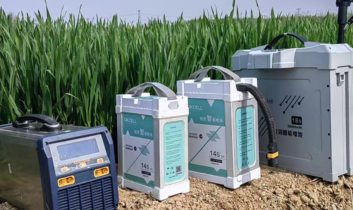
With this multi-channel charger, two high-capacity drone batteries can be independently charged at the same time, with high efficiency for continuous operation. In a high-load operating environment such as agricultural, industrial, and logistics drones, each independent channel intelligently adjusts the current and voltage according to the status of the battery to ensure safe and stable charging. Whether the capacity of both batteries is the same or different, or whether the charge level is higher or lower, independent controls avoid the risks of overcharging and abnormal temperatures. The drone will be able to change its batteries quickly in an effort to maintain flights one after the other so that overall operational efficiency is improved and mission safety and reliability are ensured.
Some chargers have the capability for parallel charging: if the voltage of the batteries is similar, batteries can be efficiently charged simultaneously-a big timesaver. Multiport design supports independent charging and flexible mode switching to fit different battery specifications and capacity requirements. This flexibility and efficiency during remote field operations or high-intensity continuous flights will keep drone batteries full and optimize flight schedules to extend battery life, allowing completion of missions, enhancement of operational safety, and improvement of overall reliability.
Portability and Build Quality
While highly powerful, dual-channel chargers adopt an optimized design to keep sizes small, enabling easy transportation either in vehicle-mounted or field operation environments. The compact structure minimizes the use of space and can efficiently be utilized in hangars, on worksites, or in mobile power stations. A well-designed charger will select high-power output, matched with fast drone rotation charging, greatly improving operational efficiency.
Of equal importance is durability: high-strength casings, shock-resistant construction, and optimized thermal management ensure dependability in demanding conditions while minimizing the risk of accidental damage. Some chargers further enhance flexibility by supporting a wide array of power sources, from vehicle power to portable batteries. High-quality manufacturing ensures safe, effective charging for drone batteries across a wide variety of scenarios.
Conclusion
Operating a high-load drone, the charger directly influences efficiency and completion rates of missions. It is in this premium class of charging equipment that a balance between speed, safety, versatility, and durability should be considered for stable and reliable battery charging, thus giving support for continuous high-intensity workloads. With the right choice of charger, the drone can fly longer and the life of the batteries will also be prolonged, ensuring just the kind of consistent reliability needed to make any mission just as efficient, dependable, and secure as possible.

点击右上角
分享给朋友吧







 Long by picture save/share
-

The Heart of Your Operation: A Complete Guide to the Agricultural Drone Battery
A deep dive into how agricultural drone batteries influence power, safety, flight time, and operational efficiency, offering essential insights on specs, maintenance, and choosing the right battery.
MORE -
How China Drone Battery Manufacturers Are Ensuring Quality and Safety
China’s drone battery manufacturers are raising industry standards through advanced engineering, strict safety controls, and reliable quality systems that ensure safer, longer, and more stable flight performance.
MORE -
Expert Guide to Agricultural Drone Battery Maintenance
Ensure safer, longer agricultural drone flights with practical battery maintenance guidance that helps prevent power loss, extend lifespan, and keep field operations efficient.
MORE -
What Are the Best Practices for Maximizing Drone Battery Performance
Maximizing drone battery performance starts with understanding how different missions stress power systems. Smarter charging, temperature control, and load management keep flights safer and longer.
MORE -
How to Charge a Drone Battery Safely and Effectively
Learn how to charge drone batteries safely and maximize performance with proper methods, smart charger choices, and essential practices that protect lifespan and flight reliability.
MORE -
Agricultural Drone Common Sense
Modern agricultural drones transform farming by enabling precise spraying, crop monitoring, and irrigation management, improving efficiency, sustainability, and smarter decision-making on farms.
MORE -
How Can Upgrading Your Drone Battery Improve Its Battery Life
Upgrading your drone battery can significantly extend flight time, stabilize power output, and improve reliability. Smarter chemistry and better design help every mission last longer and perform better.
MORE -
Essential Advice for Picking the Perfect Drone Battery
Discover how selecting the right drone battery impacts flight performance, efficiency, and reliability. Learn to match battery features with real-world needs for safe, stable, and long-lasting operation.
MORE -
How Custom Lithium Battery Packs Elevate UAV Performance
Custom lithium battery packs elevate UAV performance by extending flight time, enhancing stability, and ensuring safety, enabling drones to operate efficiently and reliably across demanding missions.
MORE -
Drone Battery Guide: Types, Safety, and Flight Time
Explore drone battery types, safety practices, and factors affecting flight time to maximize performance, extend lifespan, and ensure reliable operation for every mission.
MORE





Contact Us
With 18 years of extensive experience in battery production andcustomization, we have served thousands of clients. OKcell can providepersonalized one-stop customization services tailored exclusively for you.Contact us directly to explore our factory and products firsthand !
 Phone:+86 15093446331
 E-mail:sherry@izeron.com
 Address:Building 5, 5th Floor, 503, Yida Industrial Park Phase 1, Jinju Street, Zhengzhou High-tech Zone.
OKCELL Copyright © 2021 all rights reserved
Since 2005, with 18 years of dedication to custom battery manufacturing, supported by a team of 300 employees, multiple R&D centers, and 65 patented inventions, we are committed to becoming the world’s leading smart battery manufacturing service provider.
ABOUT COMPANY
CONTACT US
Email Address:
 :sherry@izeron.com
 :+86 15093446331
点击右上角
分享给朋友吧
OUR LOCATION
OKCELL is located at Building 5, 5th Floor, 503, Yida Industrial Park Phase 1, Jinju Street, Zhengzhou High-tech Zone.
OKCELL Copyright © 2021 All rights reserved
Technical Support:ShanHou