





How to Use and Maintain the Agricultural Spraying Drone Battery
Time: 2025-07-14 15:01:05
In modern agricultural production, agricultural plant protection drones play an increasingly important role. As the core of UAV power, the correct use and maintenance of the battery is crucial to ensure the efficient operation of the UAV, prolong its service life and ensure operational safety. So, how to effectively use and maintain the battery of agricultural plant protection UAV? This article will provide you with detailed answers.

Common Problems in the Use of Agricultural Drone Battery
Battery Water or Medicine Damage
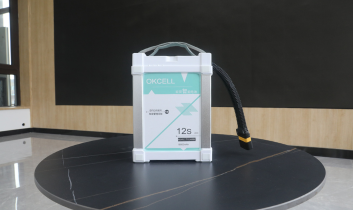
Nowadays, most of the plant protection machines use Smart Lipo batteries equipped with a battery management system (BMS). These batteries need to pay special attention to waterproof, dustproof and anti-drug spraying. You should try to choose a drone battery pack with a protective shell, good waterproof performance and reasonable design, otherwise it will lead to a number of hazards.
Battery circuit board damage: battery circuit board into the water or medicine, will corrode the components on the circuit board, which will lead to functional failure. For example, the button display light is wrong, the light does not light up when charging or discharging, or even the battery can not be charged.
Battery leakage: Pesticides entering the battery will corrode the aluminium-plastic film of the battery cell and other battery materials, which will eventually lead to battery leakage.
Battery plug problem: After the battery plug is corroded and oxidised, there will be poor contact, resulting in increased voltage drop, shorter flight time, and serious heating. For a long time, this may cause the battery to short-circuit, or even cause a fire.
Battery Over-discharge
Excessive use of batteries and long-term storage without maintenance are the two main factors causing excessive discharge of batteries, the harm is as follows:
Permanent damage to the battery: large voltage difference after charging, slight bulging of the battery, shortened flight time, and a significant drop in service life.
Battery failure or fire: the battery cannot be charged and may even catch fire.
Risk of drone crash: battery depletion may cause the drone to crash.
Mixed-use Batteries
Mixed use of batteries refers to the combined use of batteries of different ages and power levels, the hazards of which include: degradation of battery performance, lack of range, shortened service life, and over-discharge of batteries. To avoid mixing batteries, the following points should be noted:
Use batteries with the same number of strings/cells: Ensure that the internal structure of the batteries used is consistent.
Directly use a group of batteries with multiple cells: Reduce the risk of confusion caused by combining different batteries.
Check battery level before flight: Ensure that all batteries are at the same level.
The correct use of agricultural drone batteries specification
Charging Safety Standards
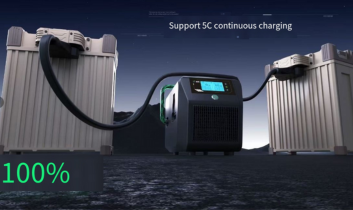
Use a dedicated charger: Be sure to use a dedicated charger for UAV / Unmanned Aerial Vehicle (UAV) batteries to ensure the stability and safety of the charging process.
Check cell voltage: Before charging, carefully check the voltage of individual cells to ensure it is in the normal range.
Follow the specified charging rate: Charge in strict accordance with the specified charging rate (charge c rate) and do not change it arbitrarily.
Avoid charging in extreme temperature environments: High or low temperature environments may cause damage to the battery and charging in such environments should be avoided.
Choose a ventilated and open area: Charge in a well-ventilated and open area to facilitate heat dissipation and reduce safety risks.
Prepare emergency fire-fighting materials: Prepare a bucket of sand in advance in case of accidents during charging.
Discharge Safety Standards
Always keep in mind: Do not excessively drain the drone’s battery. When the voltage drops to 3.7V, return the drone to flight or land it as soon as possible! The following is an explanation of the voltage changes when discharging the drone battery:
Initial discharge stage: The voltage drops relatively quickly when the battery begins to discharge.
Intermediate Discharge Stage: When the battery is discharged to between 3.9V and 3.7V, the voltage drop becomes slower.
Low voltage stage: Once the voltage drops to 3.7V, the voltage drop will speed up again.
Criteria for Low Temperature Use
When using the battery in cold weather, the battery voltage will drop rapidly, which is a normal phenomenon, and it is recommended to warm up the battery first before using it.
Maintain battery temperature: Try to keep the temperature of the battery itself above 5℃, 20℃ is the best temperature.
Avoid low temperature and high intensity flight: When the battery temperature is not 20℃ or higher, it is not recommended to perform high intensity flight tasks.
Warm-up and quick installation before take-off: Before take-off, place the battery in a warm environment (approx. 20°C), such as indoors, in a car or in an insulated box. When taking off, quickly install the battery on the UAV.
Shorten the flight time in low temperature: When flying in a low temperature environment, shorten the flight time to half of the normal temperature flight time to ensure flight safety.

Maintenance Methods to Extend Battery Life
Regular Inspection
Check the battery frequently for signs of damage, such as bulging, leakage or reduced performance. Early detection of these problems can effectively prevent more serious failures.
Proper Storage
If the drone is not to be used for a long period of time, the battery needs to be stored in a cool, dry place. Ideally, the battery should be stored at about 60% of its capacity to help maintain its health.
Cleaning Operations
Keep the battery and its connecting parts clean. Dust and debris may affect the efficiency of the battery and may even cause damage.
Firmware Updates
Update the firmware of the drone and the battery regularly. Manufacturers usually release relevant updates to enhance battery performance and prolong service life.
Conclusion
The proper use and maintenance of agricultural spraying drone batteries are essential for the smooth operation of agricultural drone – based farming activities. By being aware of the common problems, following the correct usage specifications, and implementing regular maintenance measures, farmers can not only ensure the safety of their drone operations but also significantly extend the lifespan of their batteries. This, in turn, will lead to more cost – effective and efficient agricultural production. Remember, a well – maintained battery is the key to maximizing the potential of your agricultural spraying drone.

点击右上角
分享给朋友吧







 Long by picture save/share
-

The Heart of Your Operation: A Complete Guide to the Agricultural Drone Battery
A deep dive into how agricultural drone batteries influence power, safety, flight time, and operational efficiency, offering essential insights on specs, maintenance, and choosing the right battery.
MORE -
How China Drone Battery Manufacturers Are Ensuring Quality and Safety
China’s drone battery manufacturers are raising industry standards through advanced engineering, strict safety controls, and reliable quality systems that ensure safer, longer, and more stable flight performance.
MORE -
Expert Guide to Agricultural Drone Battery Maintenance
Ensure safer, longer agricultural drone flights with practical battery maintenance guidance that helps prevent power loss, extend lifespan, and keep field operations efficient.
MORE -
What Are the Best Practices for Maximizing Drone Battery Performance
Maximizing drone battery performance starts with understanding how different missions stress power systems. Smarter charging, temperature control, and load management keep flights safer and longer.
MORE -
How to Charge a Drone Battery Safely and Effectively
Learn how to charge drone batteries safely and maximize performance with proper methods, smart charger choices, and essential practices that protect lifespan and flight reliability.
MORE -
Agricultural Drone Common Sense
Modern agricultural drones transform farming by enabling precise spraying, crop monitoring, and irrigation management, improving efficiency, sustainability, and smarter decision-making on farms.
MORE -
How Can Upgrading Your Drone Battery Improve Its Battery Life
Upgrading your drone battery can significantly extend flight time, stabilize power output, and improve reliability. Smarter chemistry and better design help every mission last longer and perform better.
MORE -
Essential Advice for Picking the Perfect Drone Battery
Discover how selecting the right drone battery impacts flight performance, efficiency, and reliability. Learn to match battery features with real-world needs for safe, stable, and long-lasting operation.
MORE -
How Custom Lithium Battery Packs Elevate UAV Performance
Custom lithium battery packs elevate UAV performance by extending flight time, enhancing stability, and ensuring safety, enabling drones to operate efficiently and reliably across demanding missions.
MORE -
Drone Battery Guide: Types, Safety, and Flight Time
Explore drone battery types, safety practices, and factors affecting flight time to maximize performance, extend lifespan, and ensure reliable operation for every mission.
MORE





Contact Us
With 18 years of extensive experience in battery production andcustomization, we have served thousands of clients. OKcell can providepersonalized one-stop customization services tailored exclusively for you.Contact us directly to explore our factory and products firsthand !
 Phone:+86 15093446331
 E-mail:sherry@izeron.com
 Address:Building 5, 5th Floor, 503, Yida Industrial Park Phase 1, Jinju Street, Zhengzhou High-tech Zone.
OKCELL Copyright © 2021 all rights reserved
Since 2005, with 18 years of dedication to custom battery manufacturing, supported by a team of 300 employees, multiple R&D centers, and 65 patented inventions, we are committed to becoming the world’s leading smart battery manufacturing service provider.
ABOUT COMPANY
CONTACT US
Email Address:
 :sherry@izeron.com
 :+86 15093446331
点击右上角
分享给朋友吧
OUR LOCATION
OKCELL is located at Building 5, 5th Floor, 503, Yida Industrial Park Phase 1, Jinju Street, Zhengzhou High-tech Zone.
OKCELL Copyright © 2021 All rights reserved
Technical Support:ShanHou