





Drone Battery Explained: Useful Tips to Improve Your Flight Time
Time: 2025-11-04 15:40:13
Struggling with short flight times and unpredictable drone performance? In most cases, this all comes down to your battery. Proper selection, maintenance, and flying efficiently with your battery can hugely extend flight times, help protect your investment, and keep your operations running smooth. Of course, mastery of these basics will be key for any drone user.
What is a drone battery
A drone battery is, a special rechargeable source of energy developed to power motors, the flight controller, a camera, and all other electronic elements of a drone. Most drones are powered with lightweight, lithium-based batteries, including LiPo or Li-ion, developed for delivering high bursts of current. Batteries for drone are important components that guarantee responsive flight control, fast acceleration, and good performance, in every respect, enabling safe and efficient flying of the drone.
Unlike regular household batteries, a battery for a drone is designed model-specific and often with smart features, like temperature sensing, overcharge protection, and power management systems. Their performance, flight duration, and safety strongly rely on the proper selection of a battery. Knowledge of how these batteries work and their limitations helps drone flyers maximize efficiency in operation and avoid possible risks.
Types of Drone Batteries
Drone batteries are divided into several types, each for specific needs when flying. The type chosen will affect the duration and stability, hence safety, of a flight. Knowing their characteristics will help operators match batteries to the performance requirements of their drones.
- Lithium Polymer (LiPo) Batteries: LiPo batteries are lightweight, capable of high power bursts, and, therefore, very suitable for racing and high-performance drones. The flexibility in shape allows for custom drone designs. However, they are sensitive to overcharging, need careful handling, and charging requires specialized chargers for safety and durability.
- Lithium-Ion (Li-ion) Batteries: Besides having a longer service life, Li-ion batteries are much safer than LiPo ones. They do have stable power output and, as such, are quite suitable for commercial and consumer drones where extended flight time is more desirable than rapid acceleration. Because of their higher weight and lower discharge rates, they are less ideal for high-speed or acrobatic drones.
- Nickel-Metal Hydride (NiMH) Batteries: Most of the NiMH batteries are heavier and less efficient compared to modern lithium-based variants. While more stable and environmentally friendly than older nickel-cadmium batteries, the low output and bulk of these batteries make them less suitable for modern drone designs. They can be mainly found in older or entry-level models.
- Nickel-Cadmium (NiCd) Batteries: Nickel-Cadmium batteries were the most common ones used in early drones. They are resistant and could bear a great range of temperatures. However, they have a memory effect; energy retention deteriorates with time, and environmental disposal is a problem. Nowadays, they are seldom applied because lithium-based batteries dominate the market due to better performance and safety.

How to Choose a Drone Battery
Voltage (V)
Voltage will now dictate how much power your drone motors receive. The higher the voltage, the more thrust and generally better performance you get, but it adds weight that will consequently reduce flying time. Always ensure the voltages you use are compatible with the rating of your motor and ESC for safety, efficiency, and to avoid damage.
Capacity (mAh)
Capacity refers to how much energy a battery stores, thus increasing the flight time of the drone. Higher capacities allow for longer flights but also raise the overall weight of the battery. Choose one with the highest capacity your model can support to maximize flight times without exceeding the weight limit. Optimize by balancing energy storage and overall efficiency.
C Rating (Discharge Rate)
The C rating is a measure of the safe discharge rate of the battery. The greater the C rating, the more current can be drawn by motors for better performance in racing or heavy-lift drones. Keep in mind that heavier C-rated batteries will also normally shorten the overall flight time, unless properly balanced.
Size and Form Factor
The dimensions of the battery should be selected to match the battery housing compartment in your drone. This involves comparing height, width, and length, most especially in a case involving an upgrade or for a custom build. Choosing the right size ensures ease of installation and avoidance of physical interference with the components in a drone to ensure safe and stable flights.
Connector Type
The most common ones include the XT60, XT30, JST, and EC3. Ensure that it's compatible with your drone to avoid using any adapter, for sometimes these adapters cause inefficiency and may even be unsafe to use. Picking well-supported connectors allows flexibility in case you might want to use the same battery on future drones.
Reliable Partner
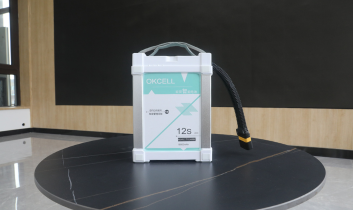
OKCELL’s intelligent drone batteries feature high energy density, fast charging, and superior cycle life. Each unit integrates smart management systems for voltage balance, temperature control, and real-time data monitoring. With stable performance across extreme conditions, OKCELL ensures reliable power, longer flight endurance, and enhanced operational safety
Useful Tips to Improve Drone Flight Time
Maximizing drone flight time is essentially what will allow smooth and improved operations. This can be achieved through a few easy adjustments like smart use of the battery, weight balance, and steady flying. With good habits and planning, it should be easily possible to lengthen the flight duration while protecting your battery to get consistent performance for each mission.
Monitor Battery Level Wisely
Avoid flying your drone until your battery is almost empty; plan to land when it gets to about 20-25% capacity. This will prevent deep discharging, and it keeps the cells in balance to reduce long-term wear. Smart monitoring not only ensures safer returns but also, in the process, extends battery health and consistent flight performance over time.

Lose Unwanted Weight
When it comes to flight efficiency, every gram counts-quite literally. Take away add-ons or accessories that are not essential to your flight purpose. Reduce payload to lessen the load on the motor; hence, minimize power draw and heating. A lighter drone requires less energy to stay in the air, thus noticeably increasing your total flight time.
Optimize Flight Style
Aggressive flying, which means flying with quick acceleration or a constant change in altitude, is extremely power-hungry. Instead, use smooth, steady movements and avoid sudden bursts of throttle. Where possible, utilize automated flight modes that offer consistent motion. A controlled flight pattern allows the motors to run at much better efficiency and will greatly extend battery endurance.
Keep Batteries in Good Condition
Good battery care directly influences how long you are able to fly. After a flight, let it cool down, then recharge. If you won't use it for some days, store it at 3.8V/cell. Periodically check for swelling and other forms of damage. Well-cared-for batteries have very consistent voltage, higher power output, and longer flights throughout their service cycle.
Plan efficient routes.
Always plan in advance what route your drone will take. Avoid unnecessary hovering or random flight movements, as those drain the power. The use of waypoints and a stable navigation system minimizes energy losses. Efficient route planning will let your drone cover more distances under one charge and, correspondingly, optimize flying time and productivity of operation.
What maintenance does a drone need
The key to stable performance and safe flight is the drone battery. Regular maintenance will extend the life of drone batteries and avoid swelling or loss of capacity. Proper care, checking, and storage are important means to guarantee a smooth and safe flight of a drone.
Regularly Check the Battery
After every couple of flights, check your drone battery for swelling, cracks, or loose connectors. Even minor deformation can be a sign of more serious internal stress that degrades performance. Immediately cease using any battery which visually appears damaged. In this way, this routine allows for the early detection of possible faults, preventing short circuits or dangerous overheating during your next flights.
Store Batteries Properly
It is recommended that batteries not in use be stored at 40-65% charge. Avoid full charges or completely discharged. A smart charger has a Storage Mode that maintains voltage balance. Proper storage avoids chemical aging and preserves internal structure, so your battery is ready for the next safe and reliable flight.
Maintain Proper Temperature and Environment
Store drone batteries in a cool, dry place between 20°C and 25°C. Keep them away from direct sunlight, moisture, or any metal objects, which can cause a short circuit. The intensity of heat or cold accelerates the wear in the chemistry that causes swelling or diminished capacity. Stability of environmental conditions is everything for maintaining long-term health and performance.
Perform Regular Charge Cycles
If you haven't flown your drone for a couple of weeks, charge and completely discharge your battery to keep it active. Such cycling stabilizes the internal chemistry and prevents losses in capacity due to a long period of inactivity. Routine use and periodic cycling will maintain the cells' activity and extend the total number of charge cycles your battery can handle.
Know When to Retire a Battery
Replace the battery when you notice rapid voltage drops, slow charging, or reduced flight time. Flying a deteriorated LiPo will result in loss of power during flight or damage to the drone electronics. Taking necessary precautions from early warning signs ensures operational safety, maintains your drone at peak performance for any mission.
Conclusion
It's not only about longer missions but also about reliability, safety, and cost efficiency. The quality of the battery, proper maintenance routine, and using your drone smartly will guarantee consistent performance without mid-air interruptions and a drone that stays a reliable tool for each task at hand.

点击右上角
分享给朋友吧







 Long by picture save/share
-

The Heart of Your Operation: A Complete Guide to the Agricultural Drone Battery
A deep dive into how agricultural drone batteries influence power, safety, flight time, and operational efficiency, offering essential insights on specs, maintenance, and choosing the right battery.
MORE -
How China Drone Battery Manufacturers Are Ensuring Quality and Safety
China’s drone battery manufacturers are raising industry standards through advanced engineering, strict safety controls, and reliable quality systems that ensure safer, longer, and more stable flight performance.
MORE -
Expert Guide to Agricultural Drone Battery Maintenance
Ensure safer, longer agricultural drone flights with practical battery maintenance guidance that helps prevent power loss, extend lifespan, and keep field operations efficient.
MORE -
What Are the Best Practices for Maximizing Drone Battery Performance
Maximizing drone battery performance starts with understanding how different missions stress power systems. Smarter charging, temperature control, and load management keep flights safer and longer.
MORE -
How to Charge a Drone Battery Safely and Effectively
Learn how to charge drone batteries safely and maximize performance with proper methods, smart charger choices, and essential practices that protect lifespan and flight reliability.
MORE -
Agricultural Drone Common Sense
Modern agricultural drones transform farming by enabling precise spraying, crop monitoring, and irrigation management, improving efficiency, sustainability, and smarter decision-making on farms.
MORE -
How Can Upgrading Your Drone Battery Improve Its Battery Life
Upgrading your drone battery can significantly extend flight time, stabilize power output, and improve reliability. Smarter chemistry and better design help every mission last longer and perform better.
MORE -
Essential Advice for Picking the Perfect Drone Battery
Discover how selecting the right drone battery impacts flight performance, efficiency, and reliability. Learn to match battery features with real-world needs for safe, stable, and long-lasting operation.
MORE -
How Custom Lithium Battery Packs Elevate UAV Performance
Custom lithium battery packs elevate UAV performance by extending flight time, enhancing stability, and ensuring safety, enabling drones to operate efficiently and reliably across demanding missions.
MORE -
Drone Battery Guide: Types, Safety, and Flight Time
Explore drone battery types, safety practices, and factors affecting flight time to maximize performance, extend lifespan, and ensure reliable operation for every mission.
MORE





Contact Us
With 18 years of extensive experience in battery production andcustomization, we have served thousands of clients. OKcell can providepersonalized one-stop customization services tailored exclusively for you.Contact us directly to explore our factory and products firsthand !
 Phone:+86 15093446331
 E-mail:sherry@izeron.com
 Address:Building 5, 5th Floor, 503, Yida Industrial Park Phase 1, Jinju Street, Zhengzhou High-tech Zone.
OKCELL Copyright © 2021 all rights reserved
Since 2005, with 18 years of dedication to custom battery manufacturing, supported by a team of 300 employees, multiple R&D centers, and 65 patented inventions, we are committed to becoming the world’s leading smart battery manufacturing service provider.
ABOUT COMPANY
CONTACT US
Email Address:
 :sherry@izeron.com
 :+86 15093446331
点击右上角
分享给朋友吧
OUR LOCATION
OKCELL is located at Building 5, 5th Floor, 503, Yida Industrial Park Phase 1, Jinju Street, Zhengzhou High-tech Zone.
OKCELL Copyright © 2021 All rights reserved
Technical Support:ShanHou