





Benefits Of Drone Batteries Over Traditional Options
Time: 2025-11-20 14:29:06
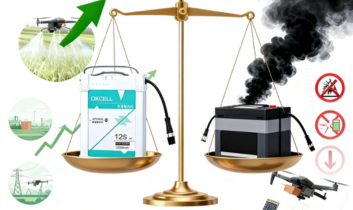
Traditional batteries of drones are normally plagued by short flight times, low speeds of charging, and overheating conditions that cause stops in flights, delays in missions, and operational inconvenience entailing safety risks. Lithium-ion battery capacity can dramatically enhance flying endurance and stability, further becoming more efficient and reliable during operations while reducing maintenance and replacement costs.
What Type of Batteries Are Used in Drones
Lithium Polymer Batteries (LiPo)
LiPo batteries are a rechargeable sort of cells that make use of a polymer electrolyte and are normally packed in flat or flexible forms. They can provide stored energy very fast and are normally used in flying drones or model equipment that requires extremely high power. LiPo batteries are sensitive to charging and operating conditions and should be utilized according to laid-down specifications.
Lithium-Ion Batteries (Li-ion)
Li-ion batteries use lithium compounds as core materials and store or release their energy by the movement of lithium ions across the positive and negative electrodes. Due to their rigid structure, they are suitable for both consumer-grade and large-format drones; thus, they maintain power supplies during long flights.
Nickel Metal Hydride Batteries (NiMH)
NiMH batteries use nickel-metal hydride compounds on one side and metal hydride storages as the energy conversion material, again allowing multiple charging and discharging cycles of the battery. Less common in drones, they nevertheless find their place in some lightweight models or low-power applications, normally used when replacing earlier battery technologies.
Nickel Cadmium Batteries (NiCd)
NiCDs represent a mature rechargeable technology based on two main materials-nickel oxide and cadmium. Thus, they are robust and allow a large number of charge-discharge cycles. However, they exhibit some memory effects. Thus, their use in modern drones is limited; they are mainly used by industrial or educationally-oriented drones.
Why Traditional Batteries Fall Short
Low Energy Density Limits Flight Duration
Traditional rechargeable nickel-metal hydride and nickel-cadmium batteries have limited energy per unit weight. Drones powered with these batteries under the same payload conditions can only have very short flight times and thus cannot fit long-range missions like aerial photography, surveying, or logistics. Productivity is low because drones cannot reach full operational efficiency in such high-intensity tasks due to the restricted endurance.

Increased Weight Impedes Maneuverability
Traditional batteries are very heavy, and the heavyweight it causes in a drone greatly raises its total payload, hence reducing the thrust-to-weight ratio and deteriorating handling agility. In flight missions with fast maneuvers, precision control, or complex flights, this excess weight restricts the performance of flights and degrades operational stability and efficiency.
Limited Lifespan and Charging Frequency
Due to the nature of NiMH and NiCd batteries, all of them have a limited number of charge/discharge cycles and short lifetimes; thus, they must be replaced frequently. Frequent replacements increase not only procurement costs but also can cause downtime and interruptions during continuous missions, hence posing a big disadvantage for extended operations or high-density tasks.
High Safety and Maintenance Requirements
Their performance is sensitive to temperature and charging/discharging conditions; deep discharging or overcharging hastens their performance degradation or even causes damage. Periodic inspections, maintenance, and monitoring of usage status have to be made by the user. If not, there is a possibility of safety risks, and increased operational complexity could result in a demand for stringent conditions regarding the environment.
Advantages of Modern Drone Batteries
High Energy Density Extends Flight Time
Advanced Li-ion and LiPo batteries boast high energy densities, which implies that greater amounts of electrical energy per unit of weight are stored, hence greatly extending flight times. This added endurance is what allows drones to conduct larger-scale missions, be it in aerial photography, surveying, or logistics, greatly raising overall effectiveness.
Lightweight design improves efficiency
Through the use of lightweight materials and optimal structural configurations, the new designs achieve effective minimization of drone payload, enabling stable power output. This therefore creates room for drones to carry more tools or cargo, hence enhancing flexibility in the delivery of missions in complex environments with superior performance.
Long Cycle Life
Smart drone batteries boast upwards of hundreds and even thousands of charge-discharge cycles with extended longevity. Long-term use decreases the frequency of replacement and its associated costs while guaranteeing stable power delivery over many missions. They become ideal in constant, high-density operational scenarios.
Smart Management Enhances Safety
Most modern batteries use an intelligent BMS, which will continually monitor voltage, temperature, and remaining charge to prevent overcharge, over-discharge, or overheating and improve flight safety. Intelligent management ensures stability and reliability in longtime operations of drones.
Advanced Drone Battery Applications
Precision Agricultural Operations Support
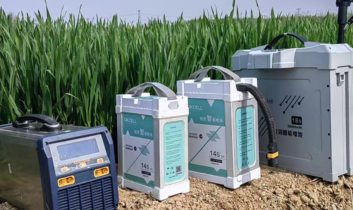
High-performance drone batteries enable agricultural drones to fly for longer periods and manage irrigation and crop monitoring over huge expanses of farmland. The drones capture high-resolution aerial imagery for studying soil moisture and plant health in an effort to tailor the fertilization and irrigation schedule to specific needs, consequently improving yield while reducing both resource usage and labor costs.

Industrial Inspection and Security Monitoring
Advanced drone batteries prolong operation time for inspection drones and therefore help with power line, bridge, or petrochemical facility checks more efficiently. Long-endurance batteries ensure stable operations in extremely high altitudes or hazardous environments while acquiring real-time data to identify risks more quickly and provide reliable support for industrial maintenance and emergency responses.
Logistics Delivery and Emergency Rescue
High-performance drone batteries can support long-distance cargo delivery and transportation of supplies in cases of emergency. Long endurance and intelligent power management further ensure stable operations in locations remote or inaccessible, which better guarantees minimal disruption risks while boosting logistics efficiency and capability in disaster response.
Environmental Monitoring and Ecological Conservation
Advanced-battery-equipped drones can thus perform long-duration missions related to environmental monitoring-for instance, air quality, soil conservation, and forest health assessment. Stable endurance allows drones to cover a wider area, collecting real-time data and providing a scientific basis for environmental protection and ecological restoration, reducing the cost of manual inspection.
Why choose OKCELL Drone Battery
One-Stop Service for Customized Batteries
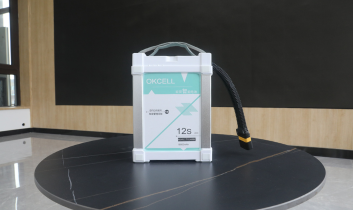
OKCELL provides a full one-stop customization service for drone batteries, in which customers can customize the capacity, size, and interface based on their specific demands. We provide professional solutions for optimizing the endurance and performance of your drones in numerous applications while facilitating easier procurement and efficiently optimizing operations.
R&D Leadership
The independently owned 'X' platform by OKCELL represents the continuous improvement of the drone battery. It has so far successfully integrated high-performance material and processing technology from Japan and the United States into this platform, allowing it to provide high energy density, long life, and reliable performance. Thanks to continued R&D optimization, OKCELL batteries belong to the world leaders in safety, endurance, and power output as they shape the future of drone battery technology.
Safety and Reliability Assurance
Safety is the intrinsic strength of OKCELL batteries. Both the company and its partners have fully complied with testing standards laid down by CNAS and CMC and have performed a tremendous number of inspections and quality controls on every single battery. In addition, under such strict safety management, when batteries operate under conditions of high temperature or heavy load, or in cases of prolonged use, they remain in a steadfast state and reliably protective for drone operations, hence minimizing operational risks and protecting both equipment and personnel.
Conclusion
The primary features of lithium-ion drone batteries are their light weight, high energy density, and performance stability. They can provide long power support for many different types of drone missions. Be it agricultural inspections, industrial surveying, logistics transportation, or whatever, they ensure flight safety and prolong operational life, greatly improving task efficiency and increasing return on investment.

点击右上角
分享给朋友吧







 Long by picture save/share
-

The Heart of Your Operation: A Complete Guide to the Agricultural Drone Battery
A deep dive into how agricultural drone batteries influence power, safety, flight time, and operational efficiency, offering essential insights on specs, maintenance, and choosing the right battery.
MORE -
How China Drone Battery Manufacturers Are Ensuring Quality and Safety
China’s drone battery manufacturers are raising industry standards through advanced engineering, strict safety controls, and reliable quality systems that ensure safer, longer, and more stable flight performance.
MORE -
Expert Guide to Agricultural Drone Battery Maintenance
Ensure safer, longer agricultural drone flights with practical battery maintenance guidance that helps prevent power loss, extend lifespan, and keep field operations efficient.
MORE -
What Are the Best Practices for Maximizing Drone Battery Performance
Maximizing drone battery performance starts with understanding how different missions stress power systems. Smarter charging, temperature control, and load management keep flights safer and longer.
MORE -
How to Charge a Drone Battery Safely and Effectively
Learn how to charge drone batteries safely and maximize performance with proper methods, smart charger choices, and essential practices that protect lifespan and flight reliability.
MORE -
Agricultural Drone Common Sense
Modern agricultural drones transform farming by enabling precise spraying, crop monitoring, and irrigation management, improving efficiency, sustainability, and smarter decision-making on farms.
MORE -
How Can Upgrading Your Drone Battery Improve Its Battery Life
Upgrading your drone battery can significantly extend flight time, stabilize power output, and improve reliability. Smarter chemistry and better design help every mission last longer and perform better.
MORE -
Essential Advice for Picking the Perfect Drone Battery
Discover how selecting the right drone battery impacts flight performance, efficiency, and reliability. Learn to match battery features with real-world needs for safe, stable, and long-lasting operation.
MORE -
How Custom Lithium Battery Packs Elevate UAV Performance
Custom lithium battery packs elevate UAV performance by extending flight time, enhancing stability, and ensuring safety, enabling drones to operate efficiently and reliably across demanding missions.
MORE -
Drone Battery Guide: Types, Safety, and Flight Time
Explore drone battery types, safety practices, and factors affecting flight time to maximize performance, extend lifespan, and ensure reliable operation for every mission.
MORE





Contact Us
With 18 years of extensive experience in battery production andcustomization, we have served thousands of clients. OKcell can providepersonalized one-stop customization services tailored exclusively for you.Contact us directly to explore our factory and products firsthand !
 Phone:+86 15093446331
 E-mail:sherry@izeron.com
 Address:Building 5, 5th Floor, 503, Yida Industrial Park Phase 1, Jinju Street, Zhengzhou High-tech Zone.
OKCELL Copyright © 2021 all rights reserved
Since 2005, with 18 years of dedication to custom battery manufacturing, supported by a team of 300 employees, multiple R&D centers, and 65 patented inventions, we are committed to becoming the world’s leading smart battery manufacturing service provider.
ABOUT COMPANY
CONTACT US
Email Address:
 :sherry@izeron.com
 :+86 15093446331
点击右上角
分享给朋友吧
OUR LOCATION
OKCELL is located at Building 5, 5th Floor, 503, Yida Industrial Park Phase 1, Jinju Street, Zhengzhou High-tech Zone.
OKCELL Copyright © 2021 All rights reserved
Technical Support:ShanHou