





5 Factors That Impact Drone Battery Performance
Time: 2025-11-12 10:29:28
The drone batteries constitute the core of each drone, which determines the time span and effectiveness with which drones can work. Flight time, stability, and overall performance-all are based on battery efficiency. It is how factors like characteristics of the battery, environmental conditions, habits of flying, and dynamics of propulsion interact that make one get the most out of drones. If due regard is paid to these elements, then drones could turn out much more reliable and efficient in a variety of missions.
Why does battery capacity matter for drones
The time a drone can spend in the air depends on battery capacity. High-capacity batteries hold more energy reserve and, therefore, can stay longer in the air, especially when conditions are not perfect, or it is carrying a payload. In contrast, larger batteries increase the general weight of the drone and hence reduce efficiency if not correctly balanced. Proper selection of batteries strikes a balance between energy storage and weight for good performance and operational time.
Apart from flight time, battery capacity affects the stability and reliability of a mission: a sufficiently capable battery will handle high-power maneuvers or heavier loads without voltage drops that could compromise motors or control systems. This becomes important with agricultural drones, where efficiency and precision are crucial, whether the job is spraying, monitoring, or mapping. Properly sized batteries maintain consistent power while maximizing flight endurance.

How Battery Weight Affects Flight Time for Drones
One important issue that defines effectiveness and how long a drone can stay in the air is the weight of the battery. Heavier batteries would imply more thrust generation by motors, implying faster energy consumption, hence generally reducing flight time. Lighter batteries with high energy density allow a drone to fly for a longer period of time with stability. The weight is very important in agricultural drones because too much mass could lower the spraying capacity and reduce general efficiency in field operations.
Besides flight duration, the weight of a battery affects other factors, such as maneuverability and responsiveness. Drones with heavier batteries cannot make sharp turns or immediate changes in altitude, thus putting extra stress on the motors. Preferences for lightweight, high-capacity batteries mean that performance is balanced with minimized energy waste, allowing for longer, reliable flights in applications such as crop monitoring, surveying, and precision agriculture.
How do weather affect battery performance
Operating conditions for a drone strongly depend on the weather. Cold environments reduce the chemical reactions inside the battery, reducing the current available and hence the flight time. Hot conditions speed up these reactions, thus discharging faster and probably overheating. Other weather factors, like wind, make drones use more power in maintaining stability, hence reducing the efficiency of the battery. The chosen type of battery should be able to accommodate such extremes for consistent performance.
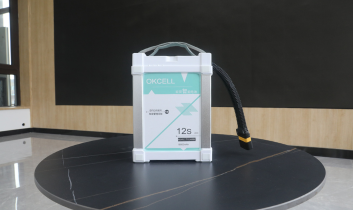
Temperature and other conditions, such as air density and humidity, also matter. At high altitudes, low air density requires more thrust and therefore increases energy consumption. High humidity slightly influences the electronics. The use of low-temperature-resistant batteries like OKCELL battery maintains near-optimal capacity for longer and safer flights under such tough conditions as agricultural spraying or surveying.
Proper Operating Habits Help Extend Battery Life
How the drone is flown can make all the difference in the life of its battery. Smooth, steady flying with few sharp changes in speed or elevation minimizes wasted energy. Avoid rapid, repetitive motions and maintain a consistent flight path for smooth delivery of power from the battery. By maintaining disciplined flying habits, operators can realize the maximum life of their batteries while providing much safer and predictable flights for both recreational and professional applications.
The motors will have to work harder and, therefore, consume more power each time the aircraft suddenly accelerates, changes its flying direction too frequently, or hovers in the air. Flight routes programmed well and using the power-saving mode where possible are means of prolonging battery life. Flying consistently helps to increase overall flight times and extend the service life of the batteries.
Matching the Motor and Propeller for Optimum Energy Use
The ratio between a drone motor and its propeller makes all the difference in its entire efficiency. In case the propeller is bigger or too small for the motor, then the system has to use more and more power to keep flying, which depletes the battery in no time. On the other hand, with matched components, there will be a smooth transfer-the drone operates efficiently, maximizing the flight duration while minimizing the unnecessary power loss caused by maneuvering or hovering.
Additionally, propeller and motor matching will add to the general stability and quick response during flight. Well-matched systems can keep their consistent thrust with minimal spikes in energy, thus enhancing maneuverability and reducing strain on the propulsion system. This will not only conserve battery power but also enhance the performance of the drone under various flight conditions, such as payload carriage, flying over windy environments, or precision tasks such as surveying and mapping.

How to Maximize Your Drone Battery's Performance
Charge Properly Before Use
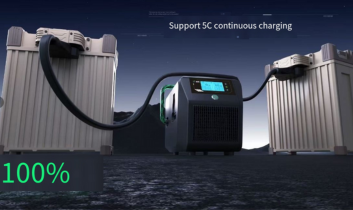
Your drone battery should always be full before flying. Overcharging and complete discharge can lead to a reduction in the life of a battery. Let the battery rest after charging before installing it on a drone. Proper charging practices maintain the chemical integrity of the lithium-based cells and help in consistent energy output for reliable flight times.
Avoid Deep Discharges
Draining a drone's battery to very low levels reduces its effective capacity over time. Once the charge drops to about 20%, you should land or change the batteries. This will keep the batteries from excessive wear by not allowing them to go through deep discharging, avoiding unexpected power loss during a flight, and ensuring longer life in operation, which provides stable energy to your drone.
Check Discharge Rates
The C rating gives the amount of current that the battery can safely provide. Higher-rated C batteries support more power-hungry maneuvers but can be heavier. Choose a discharge rate corresponding to your drone's motor capability to avoid overheating and premature wear on the battery. It makes sure that the motors draw consistent power for steady performance and longer flights.
Regular Maintenance and Inspection
Physical damage, swelling of the battery, or corrosion on the terminals will prevent sudden failures. Even minor defects in cells introduce greater internal resistance, hence less effective energy transfer and thus shorter flight times. The check-ups enable operators to change their old or degraded cells before they start affecting performance badly to make sure of maximum safety and reliability in flight.
Conclusion
The best performance of a drone battery is not just about selecting a high-capacity cell but also about thoughtful operation and maintenance of the battery in light of design and environmental considerations. Adherence to these principles will help ensure longer, safer flights, preserving battery health so that consistent energy output can be assured for every mission to be more productive and dependable, whether professional or recreational.

点击右上角
分享给朋友吧







 Long by picture save/share
-

The Heart of Your Operation: A Complete Guide to the Agricultural Drone Battery
A deep dive into how agricultural drone batteries influence power, safety, flight time, and operational efficiency, offering essential insights on specs, maintenance, and choosing the right battery.
MORE -
How China Drone Battery Manufacturers Are Ensuring Quality and Safety
China’s drone battery manufacturers are raising industry standards through advanced engineering, strict safety controls, and reliable quality systems that ensure safer, longer, and more stable flight performance.
MORE -
Expert Guide to Agricultural Drone Battery Maintenance
Ensure safer, longer agricultural drone flights with practical battery maintenance guidance that helps prevent power loss, extend lifespan, and keep field operations efficient.
MORE -
What Are the Best Practices for Maximizing Drone Battery Performance
Maximizing drone battery performance starts with understanding how different missions stress power systems. Smarter charging, temperature control, and load management keep flights safer and longer.
MORE -
How to Charge a Drone Battery Safely and Effectively
Learn how to charge drone batteries safely and maximize performance with proper methods, smart charger choices, and essential practices that protect lifespan and flight reliability.
MORE -
Agricultural Drone Common Sense
Modern agricultural drones transform farming by enabling precise spraying, crop monitoring, and irrigation management, improving efficiency, sustainability, and smarter decision-making on farms.
MORE -
How Can Upgrading Your Drone Battery Improve Its Battery Life
Upgrading your drone battery can significantly extend flight time, stabilize power output, and improve reliability. Smarter chemistry and better design help every mission last longer and perform better.
MORE -
Essential Advice for Picking the Perfect Drone Battery
Discover how selecting the right drone battery impacts flight performance, efficiency, and reliability. Learn to match battery features with real-world needs for safe, stable, and long-lasting operation.
MORE -
How Custom Lithium Battery Packs Elevate UAV Performance
Custom lithium battery packs elevate UAV performance by extending flight time, enhancing stability, and ensuring safety, enabling drones to operate efficiently and reliably across demanding missions.
MORE -
Drone Battery Guide: Types, Safety, and Flight Time
Explore drone battery types, safety practices, and factors affecting flight time to maximize performance, extend lifespan, and ensure reliable operation for every mission.
MORE





Contact Us
With 18 years of extensive experience in battery production andcustomization, we have served thousands of clients. OKcell can providepersonalized one-stop customization services tailored exclusively for you.Contact us directly to explore our factory and products firsthand !
 Phone:+86 15093446331
 E-mail:sherry@izeron.com
 Address:Building 5, 5th Floor, 503, Yida Industrial Park Phase 1, Jinju Street, Zhengzhou High-tech Zone.
OKCELL Copyright © 2021 all rights reserved
Since 2005, with 18 years of dedication to custom battery manufacturing, supported by a team of 300 employees, multiple R&D centers, and 65 patented inventions, we are committed to becoming the world’s leading smart battery manufacturing service provider.
ABOUT COMPANY
CONTACT US
Email Address:
 :sherry@izeron.com
 :+86 15093446331
点击右上角
分享给朋友吧
OUR LOCATION
OKCELL is located at Building 5, 5th Floor, 503, Yida Industrial Park Phase 1, Jinju Street, Zhengzhou High-tech Zone.
OKCELL Copyright © 2021 All rights reserved
Technical Support:ShanHou